


When a public space isn’t working well, the first instinct is to blame something big.
Lack of funding.
Poor design.
Limited investment.
But in many cases, the issue is not something large. It is something small. And often, it is something no one immediately notices.
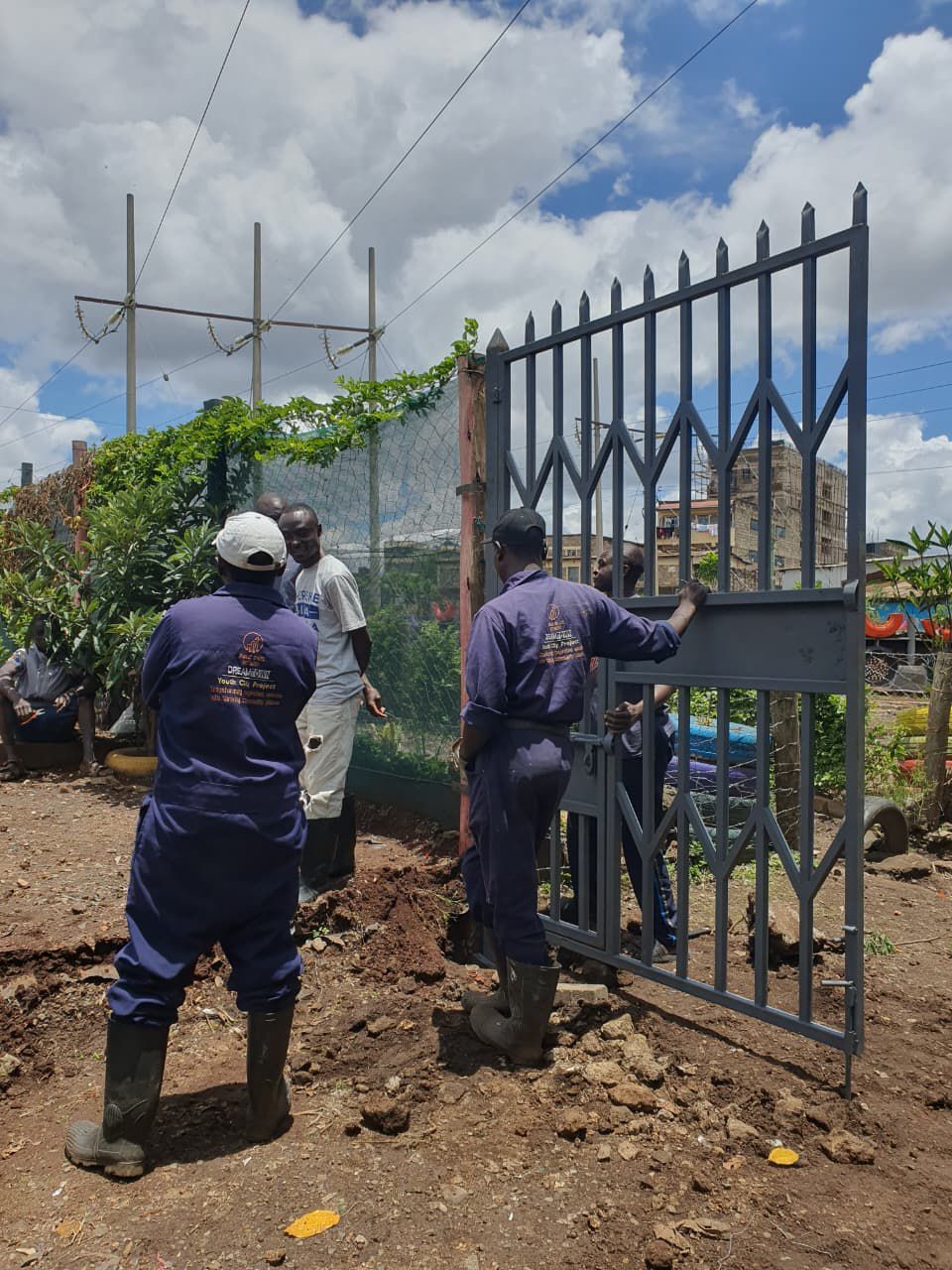
A space can be well designed… but difficult to access.
If entry points are unclear or inconvenient, fewer people use it.
A space can be newly built… but uncomfortable to stay in.
If there is no seating, or seating is poorly placed, people do not remain there for long.
A space can be open… but empty for most of the day.
If there is no lighting, people avoid it in the evening.
A space can be clean… but not stay that way.
If there are no waste bins, or they are not placed where people actually need them, littering increases.
These may seem like small details. But they shape how a space is used every single day. And over time, they determine whether a space works… or slowly becomes underused.
Because people respond to how easy a space is to use.
They use spaces that are easy to access.
They stay in spaces that are comfortable.
They return to spaces that feel active and functional.
When those conditions are missing, even a well-built space can struggle. Not because the idea was wrong. But because the day-to-day experience does not work. This is why improving public spaces is not only about large interventions. It is also about getting the small details right.
How water is managed.
Where people sit.
How they move through the space.
What they do when they get there.
These decisions may seem minor during planning. But they are what people interact with every day. And that interaction is what determines whether a space is actually used.
We continue sharing how public spaces across Nairobi are designed with these details in mind so they do not just look complete but function consistently over time.
Follow our work to see how these spaces operate in practice:
Instagram: [ https://www.instagram.com/publicspacenetwork/ ]
LinkedIn: [ https://www.linkedin.com/company/public-space-network/?viewAsMember=true ]
Facebook: [ https://www.facebook.com/PublicSpaceNetwork ]
TikTok: [ https://www.tiktok.com/@publicspacenetwork ]
Because in public spaces, it is often the smallest details that determine whether a space actually works… or slowly stops being used.