


On a hot day in Nairobi, the difference is immediate.
The difference between a shaded street…
and one without trees.
One feels cooler.
More comfortable.
Easier to stay in.
The other feels exposed. But what you feel is only part of what is happening. If trees in Nairobi could talk, they would explain that they are not just there for shade.
They are working quietly in the background.
Especially when it rains.
When heavy rain falls on hard surfaces like roads, pavements, and rooftops, the water has nowhere to go.
It moves quickly.
It builds up.
And drainage systems struggle to keep up.
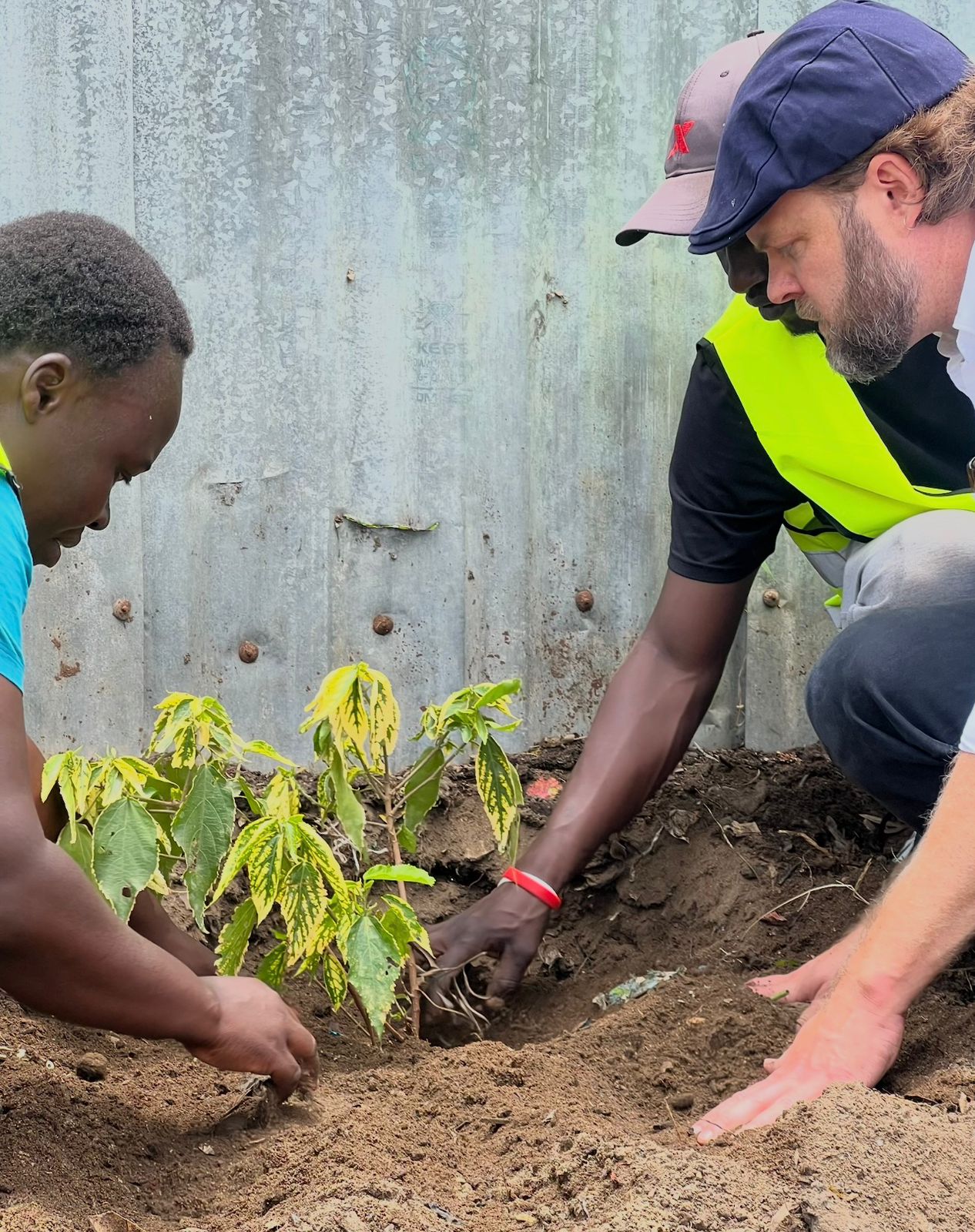
That is when flooding begins. Trees help slow that process down.
Their leaves catch part of the rain before it reaches the ground.
Their roots allow water to soak into the soil.
The ground around them holds water longer instead of letting it rush away.
This slows how quickly water collects on the surface. And over time, it makes a difference in how spaces handle heavy rainfall.
But trees are not only working during storms.
They are also shaping how spaces feel every day.
In areas with fewer trees, heat builds up faster. Surfaces absorb and hold warmth. The air feels heavier. Staying in those spaces becomes uncomfortable.
In areas with more trees, temperatures are lower.
People are more likely to sit.
To walk.
To spend time.
That changes how a space is used.
Trees also change how people experience a space. Spending time around greenery has been shown to reduce stress, improve mood and support overall well-being.
A space with trees feels calmer. More inviting. More livable. And that influences whether people return.
So when trees are removed, or when spaces are designed without them, something changes.
Not just visually, but functionally.
Spaces become hotter.
Water moves faster.
Fewer people stay.
Over time, that affects how those spaces perform.
This is why trees are not just part of the landscape. They are part of the system.
They help manage water.
They help regulate temperature.
They influence how people use space.
And when they are included intentionally, they improve how a space works over time.
We continue sharing how public spaces across Nairobi are designed to respond to real conditions like heat, rainfall, and everyday use.
Follow our work to see how these systems are applied in practice:
Follow our work to see how these dynamics play out in real spaces across the city:
Instagram: [ https://www.instagram.com/publicspacenetwork/ ]
LinkedIn: [ https://www.linkedin.com/company/public-space-network/?viewAsMember=true ]
Facebook: [ https://www.facebook.com/PublicSpaceNetwork ]
TikTok: [ https://www.tiktok.com/@publicspacenetwork ]
Because in cities, the systems that matter most are often the ones people overlook and trees are one of them.