


When heavy rain falls on a city, flooding often feels inevitable.
But it usually isn’t.
In many cases, the difference between a city that floods and one that handles rain well comes down to something less obvious: how the city is designed to deal with water once it reaches the ground.
In growing cities like Nairobi, rainfall increasingly meets hard surfaces — roads, pavements, rooftops and buildings. When rain hits these surfaces, it cannot soak into the soil. Instead, the water rushes across concrete, roads and paved surfaces until it reaches a drainage channel. If too much water arrives at once, those channels can quickly become overwhelmed.
That is when flooding begins.
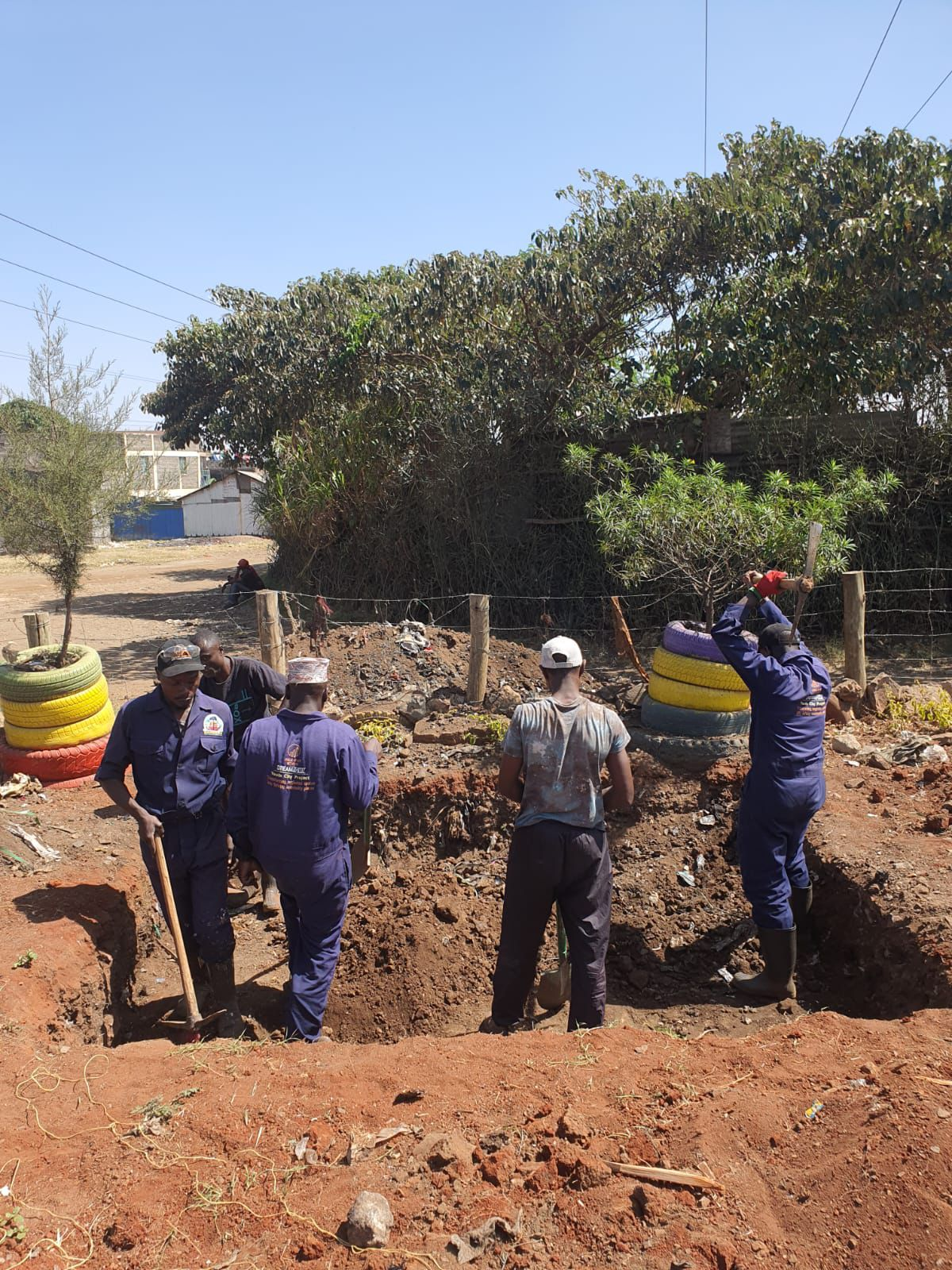
Cities that manage heavy rain more effectively rarely rely on a single solution. Instead, they depend on several systems working together. One of the most important is open land that allows water to soak into the ground. When rain reaches exposed soil instead of sealed surfaces, some of that water returns to the ground rather than becoming runoff.
Green spaces play another important role. Trees, grass and planted areas slow the movement of water across the surface, reducing the speed and volume of runoff entering drainage systems at once. Finally, drainage infrastructure carries excess water away once those natural systems have done their part.
When these three elements — absorption, slowing and drainage — work together, cities handle rainfall far more effectively.
When one of them is missing, flooding becomes more likely. This is why urban design matters as much as rainfall itself.
Flooding conversations across Nairobi often focus on the intensity of rain. But the way a city is built plays an equally important role in determining what happens when that rain arrives. Understanding how cities manage water helps communities, planners and decision-makers think differently about public space, infrastructure and environmental resilience.
Because managing heavy rain is not just about weather. It depends on how a city is designed to absorb water, slow it down and safely carry the rest away.
We continue sharing insights on how urban design choices influence flooding, resilience and the long-term performance of public spaces across Nairobi.
Follow our work:
Instagram: [ https://www.instagram.com/publicspacenetwork/ ]
LinkedIn: [ https://www.linkedin.com/company/public-space-network/?viewAsMember=true ]
Facebook: [ https://www.facebook.com/PublicSpaceNetwork ]
TikTok: [ https://www.tiktok.com/@publicspacenetwork ]
Because when cities manage rainwater properly, heavy rain doesn’t have to turn into flooding.