
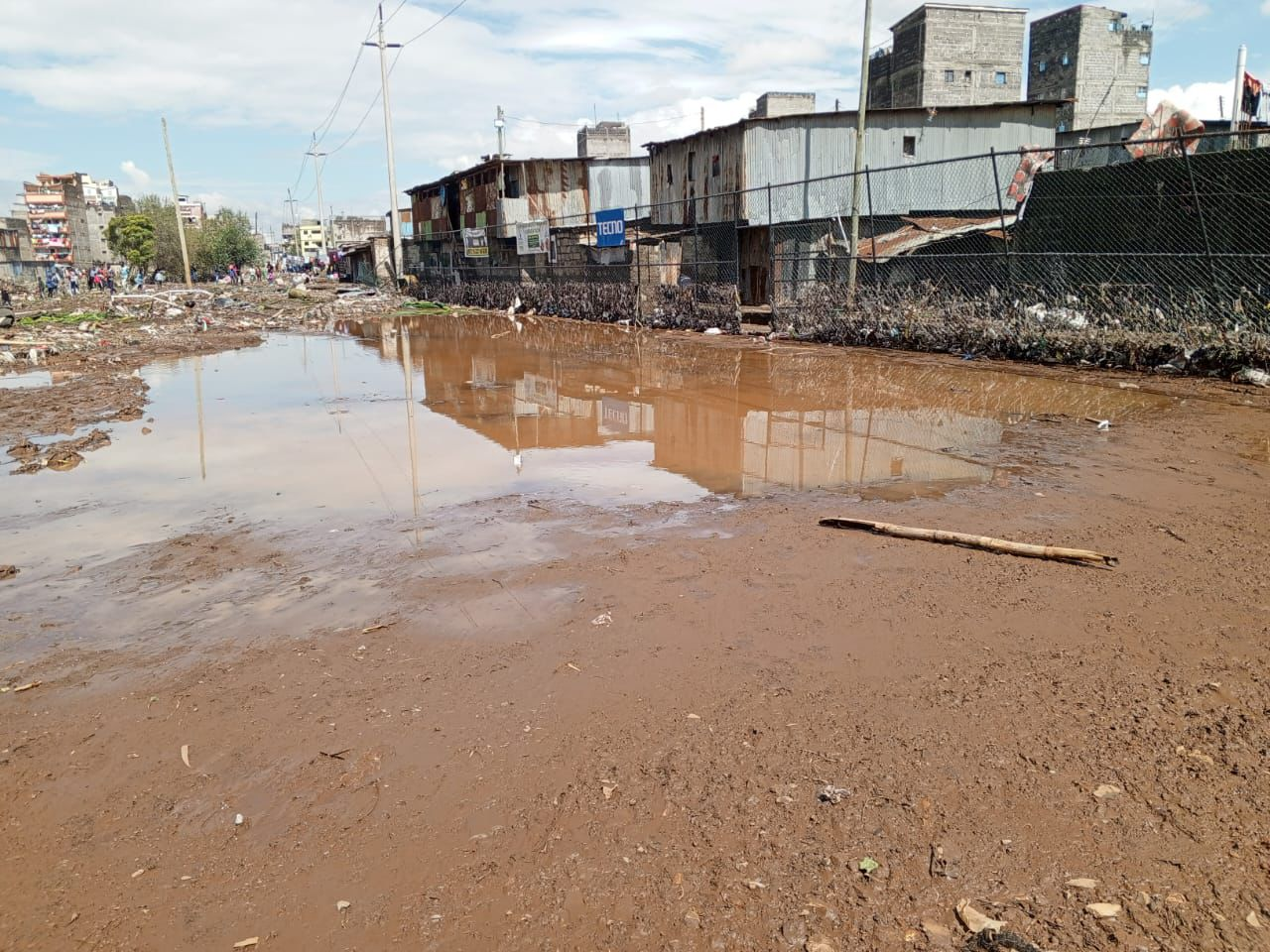


When Nairobi floods, the first reaction is often to blame drainage systems.
Blocked drains.
Insufficient pipes.
Poor maintenance.
Drainage is important. But flooding in Nairobi is rarely caused by drainage alone. The real issue usually starts much earlier — with how the city itself is built. As Nairobi grows, open land is gradually replaced by roads, buildings, pavements and other sealed surfaces. These surfaces are designed to keep water out, not let it pass through.
When heavy rain falls on natural ground, much of it soaks into the soil. Some spreads across vegetation. Some moves slowly toward streams and rivers. But when rain falls on concrete and paved surfaces in Nairobi, it behaves differently. Instead of soaking into the ground, the water moves quickly across the surface until it reaches a drainage channel.
This means a huge volume of water arrives at drainage pipes almost at the same time. And no drainage system is designed to carry an entire storm by itself. Cities that manage rain better rely on more than pipes.
They combine blue infrastructure — drainage pipes, culverts and canals — with green infrastructure such as soil, vegetation, parks and open land.
Green spaces absorb water.
Vegetation slows its movement.
Open land allows rain to spread out before it reaches streets and drains.
Together, these systems reduce pressure on drainage networks. Without them, rainwater has only one place to go: the street. That is why during intense storms, many streets in Nairobi can quickly turn into rivers. Public spaces play a surprisingly important role in this system.
Parks, river corridors and open grounds are not just recreational areas. They are part of how Nairobi manages water. When these spaces are protected and designed intentionally, they absorb rainwater, slow runoff and reduce flooding pressure elsewhere in the city.
Flooding in Nairobi, therefore, is not just a drainage issue. It is also an urban design issue. Understanding that difference helps communities, planners and decision-makers think differently about infrastructure, public space and resilience.
Because when cities remove the land that once absorbed rainwater, the water will always find another path. Often, that path becomes the street.
We continue sharing insights on how urban design influences flooding, resilience and the long-term performance of public spaces across Nairobi.
Follow our work:
Instagram: [ https://www.instagram.com/publicspacenetwork/ ]
LinkedIn: [ https://www.linkedin.com/company/public-space-network/?viewAsMember=true ]
Facebook: [ https://www.facebook.com/PublicSpaceNetwork ]
TikTok: [ https://www.tiktok.com/@publicspacenetwork ]
Because when cities remove the ground that once absorbed rainwater, flooding becomes far more likely.