


There are parts of Nairobi where everything feels heavier.
Hotter streets.
More noise.
Constant movement.
And then there are places where something shifts.
The air feels different. The pace slows down. You find yourself staying longer than you planned. Not because something dramatic changed. But because of something most people don’t pay attention to.
Green public space.
Across the city, these spaces are doing more than just “looking nice.” They are quietly shaping how Nairobi functions every day. For example, temperature.
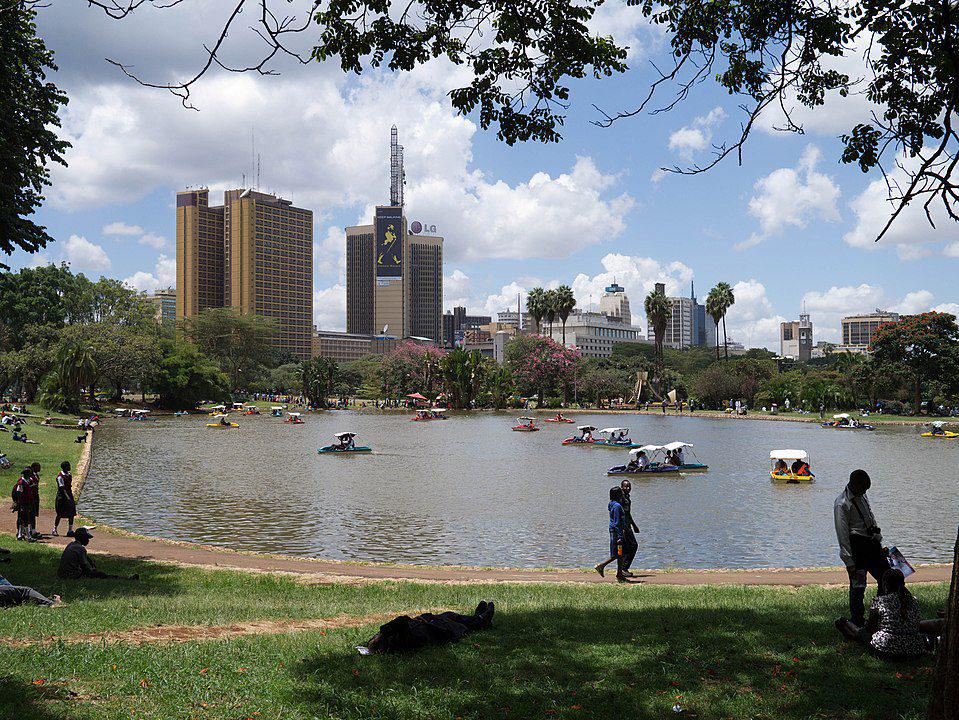
Walk through the CBD at midday, then step into a place like Uhuru Park or Karura. The difference is immediate. Not imagined. Green spaces act as natural buffers, absorbing heat and cooling the areas around them. Which changes something very practical.
How far people are willing to walk. How long they stay outside. How comfortable everyday movement becomes.
Then there is something less visible.
Mental load.
In dense parts of the city, your brain is constantly processing noise, movement and activity.
Cars.
People.
Vendors.
It adds up. But even small pockets of greenery interrupt that. They give the mind a break from constant stimulation. Not by removing the city. But by softening it. And that changes how people experience their day. There is also how these spaces are used. Not in formal ways. But in everyday ways.
People meet.
Sit.
Work.
Wait.
Spend time.
Some come to rest. Others come to earn a living. Some simply need a place to pause before continuing with their day. And that mix of use is not random. It is enabled by the space itself.
Accessible.
Comfortable.
Open enough to support different needs at the same time.
This is what many people overlook. Green public spaces are not just recreational. They are part of how the city regulates itself. They influence:
How people move.
How they feel.
How they interact.
And even how they spend time and money.
That makes them more than amenities. They are systems. Quiet ones, but essential. And once you start noticing them, you begin to see the difference between spaces that support everyday life… and those that make it harder.
We continue sharing how public spaces across Nairobi are designed to support comfort, movement, and everyday life in ways that are easy to overlook but difficult to replace. Follow our work to see how these kinds of spaces are being created and improved across the city:
Instagram (https://www.instagram.com/publicspacenetwork/)
TikTok: ( https://www.tiktok.com/@publicspacenetwork )
LinkedIn ( https://www.linkedin.com/company/public-space-network/?viewAsMember=true )
Facebook ( https://www.facebook.com/PublicSpaceNetwork )
Because sometimes the systems that matter most… are the ones people barely notice.