
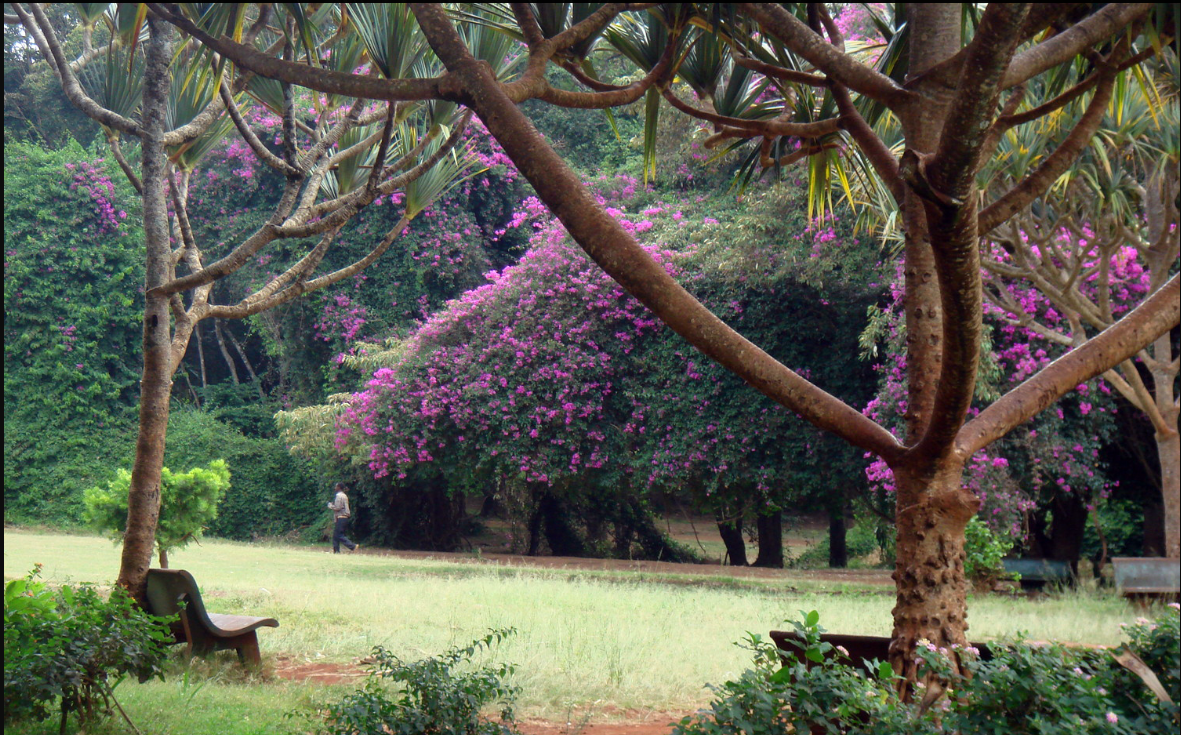


Most people don’t think about City Park unless they need somewhere to go.
A place to sit, walk or get some fresh air.
But its role in Nairobi goes far beyond that. For over 100 years, City Park has been part of how the city functions, quietly supporting everyday life in ways that are easy to miss.
Take something as simple as focus.
In a city where most environments are fast, noisy and demanding, finding a place to think clearly is not always easy. Spaces like City Park create a different condition. Less noise, less visual pressure, more room for your mind to slow down just enough to process things properly. That affects how people work, study and make decisions, even if they don’t always realise it.
Then there is cost.
Not every workspace needs to be paid for and not every break needs to happen in a café. Public spaces like City Park offer something rare in a growing city, access without cost. A place where you can spend time, meet someone or reset without having to buy anything to justify being there. That matters more than it seems, especially in a city where the cost of everyday life keeps rising.
There is also something less obvious.
Systems.
Just outside City Park is one of Nairobi’s oldest fresh produce markets. The steady flow of people moving through and around the park creates consistent activity in the area, which nearby vendors rely on. It is not just a park, it is part of a wider environment where movement and everyday economic activity come together.
And then there is access.
In a city where more and more spaces are becoming gated or restricted, City Park remains open. Not filtered by income, membership or purpose. Just available. That kind of access is what makes a city feel shared. When you look at it this way, City Park stops being just a place. It becomes infrastructure. Not in the traditional sense of roads or buildings, but in how it supports how people think, spend, work and move through the city every day. And that is what makes it valuable.
Not just because it has been there for over a century, but because it is still working.
We continue sharing how public spaces across Nairobi support everyday life in ways that are easy to overlook but difficult to replace.
Follow our work to see how these systems function, and why they matter more than most people realise:
Instagram ( https://www.instagram.com/publicspacenetwork/ )
TikTok: ( https://www.tiktok.com/@publicspacenetwork )
LinkedIn ( https://www.linkedin.com/company/public-space-network/?viewAsMember=true )
Facebook ( https://www.facebook.com/PublicSpaceNetwork )
Because some of the most important parts of a city… are the ones people rarely stop to think about.