



When a public space is upgraded, attention usually goes to what people can see.
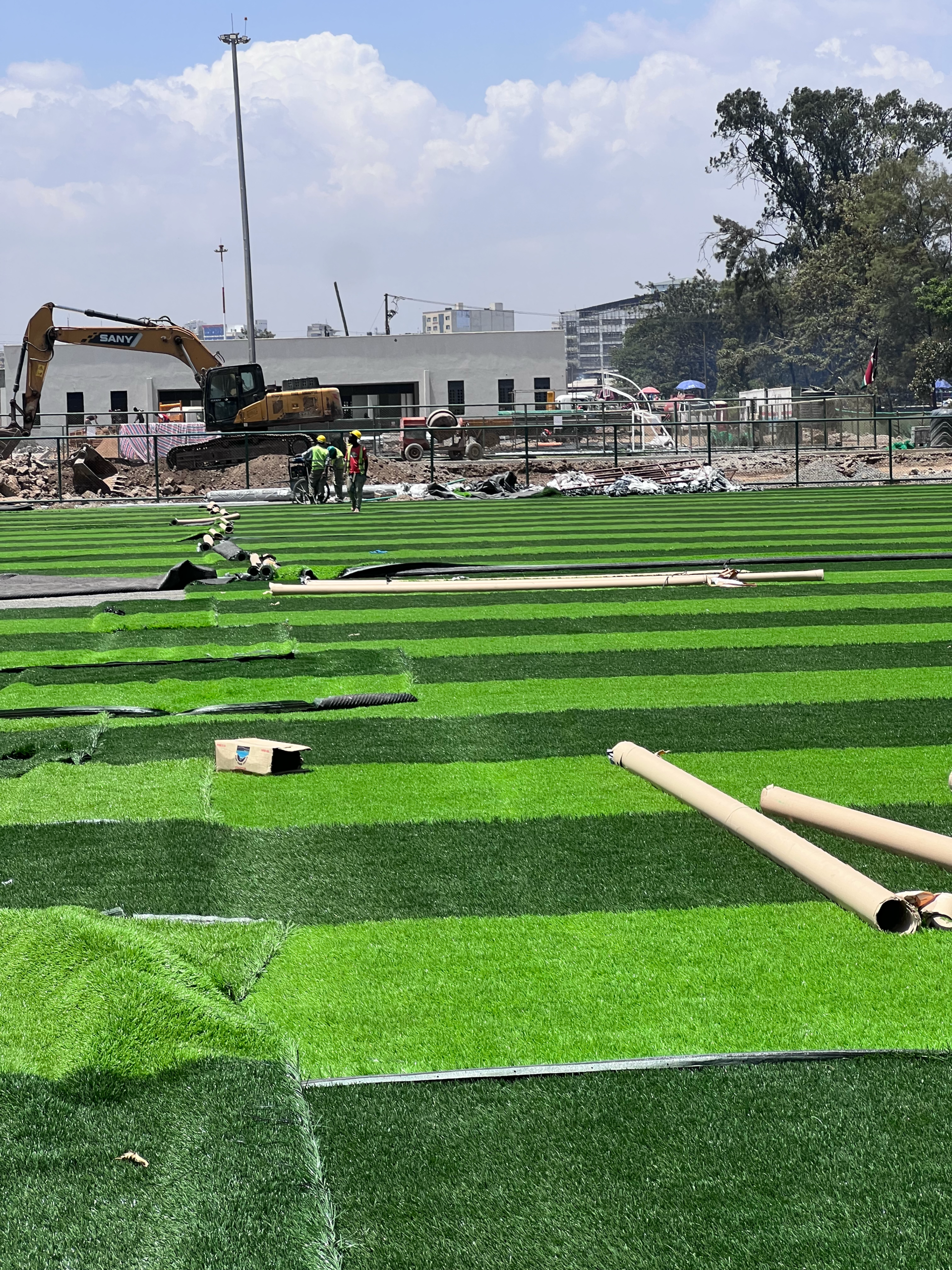
New turf. Fresh paint. Clean pathways. Installed structures.
But the details that determine whether a space truly lasts are often much smaller… and far less visible.
Across Nairobi, many public spaces have been built, repaired or upgraded. Some remain active and well-used years later. Others slowly decline. The difference is rarely excitement. It is rarely even effort.
More often, it comes down to systems.
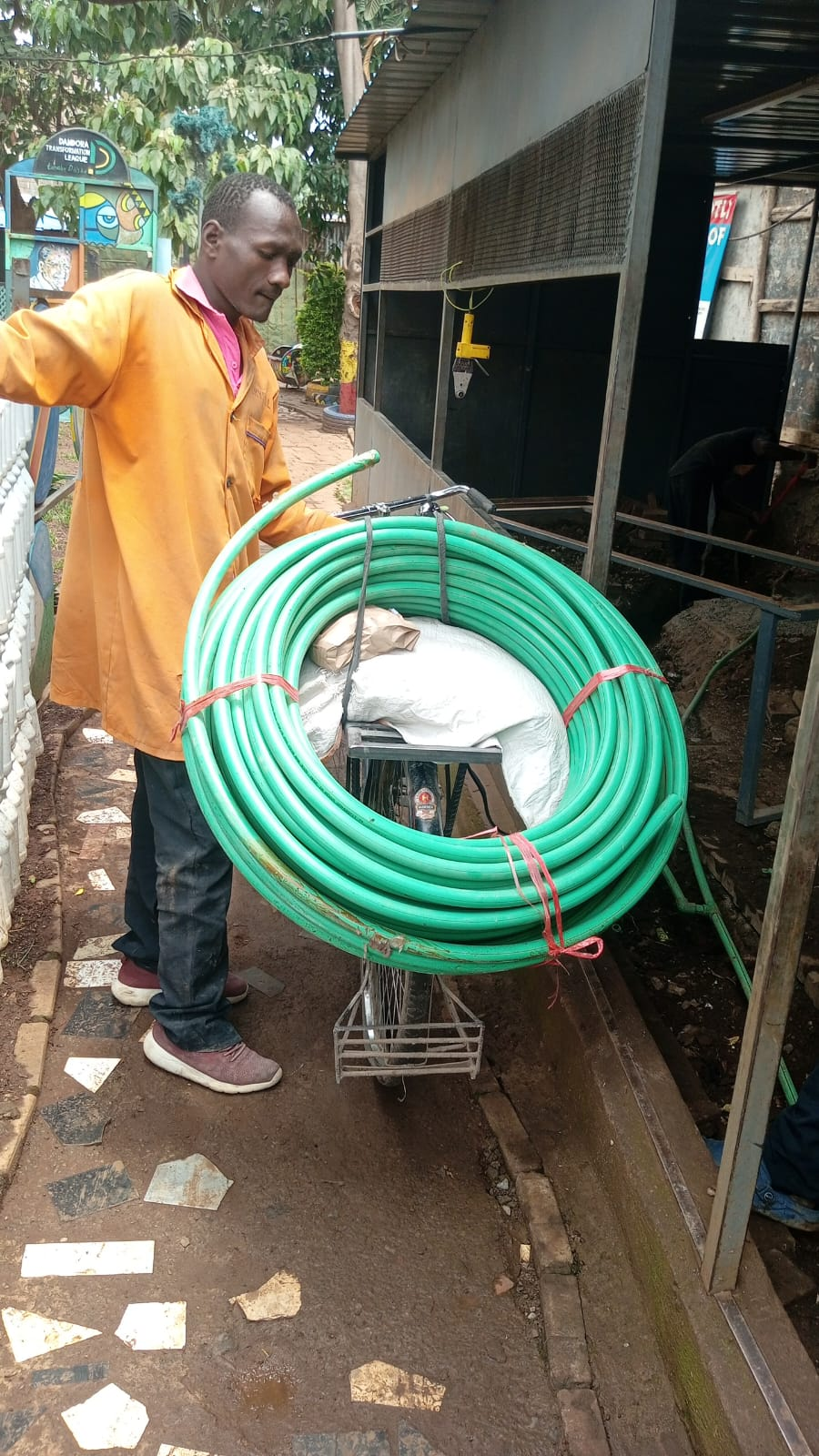
At Dandora Community Park, one recent milestone might seem minor at first glance: water began flowing from a connected tap.
Not a dramatic unveiling.
Not a large structure.
Just a working water point.
But that moment represents something much bigger.
Water changes how a park functions.
It supports irrigation, helping green areas survive dry months.
It allows sanitation to be maintained consistently.
It enables small income-generating activities that depend on reliable water access.
In short, it shifts a space from looking complete… to actually working. And functioning systems are what protect long-term use.
A park without working systems can still host visitors. But over time, maintenance becomes inconsistent. Grass dries out. Cleanliness becomes harder to manage. Small problems go unresolved. Gradually, the space becomes harder to sustain.
When foundational systems are included from the beginning — water access, drainage, defined maintenance responsibility — durability improves.
This pattern is not unique to Dandora.
Across Nairobi, the public spaces that endure are those where essential systems were treated as part of completion, not afterthoughts. The smallest systems determine:
- Whether green spaces survive beyond the rainy season
- Whether sanitation remains manageable
- Whether local income generating activities can emerge
- Whether maintenance can continue without disruption
- Whether daily use strengthens rather than weakens the space
At PSN, a space is not considered finished until it works as intended.
A tap that runs.
Drainage that channels water properly.
Infrastructure that is connected to the basic services it depends on, like water access and maintenance systems.
These moments may appear minor. But they reflect a deeper standard: spaces must actually function, not just look finished.
Because long-term public value is not protected by surface improvements alone. It is protected by systems that work. Dandora Community Park offers one example. But the principle applies across Nairobi.
Why do some public spaces remain active years after launch, while others struggle?
Often, the answer lies in the smallest systems.
We continue documenting how these foundational elements are integrated across public spaces in Nairobi, strengthening how communities are served for the long term.
Follow our ongoing work:
Instagram: [ https://www.instagram.com/publicspacenetwork/ ]
LinkedIn: [ https://www.linkedin.com/company/public-space-network/?viewAsMember=true ]
Facebook: [ https://www.facebook.com/PublicSpaceNetwork ]
TikTok: [ https://www.tiktok.com/@publicspacenetwork ]
Because when the smallest systems work, public spaces are more than just aesthetics. They are functional and last long-term.