



Large infrastructure projects rarely fail because of engineering alone.
They fail when risk is underestimated.
Flood risk.
Displacement risk.
Reputational risk.
Implementation risk.
In major urban developments, especially along sensitive corridors like the Nairobi River, technical drawings are only part of the equation.
Stability depends on something less visible: how decisions are made and coordinated.
Before sewer lines are installed, before riparian boundaries are demarcated, before waterfront designs move into implementation, critical questions must be asked:
Who has been consulted?
Who understands the local reality?
Who will live with the consequences?
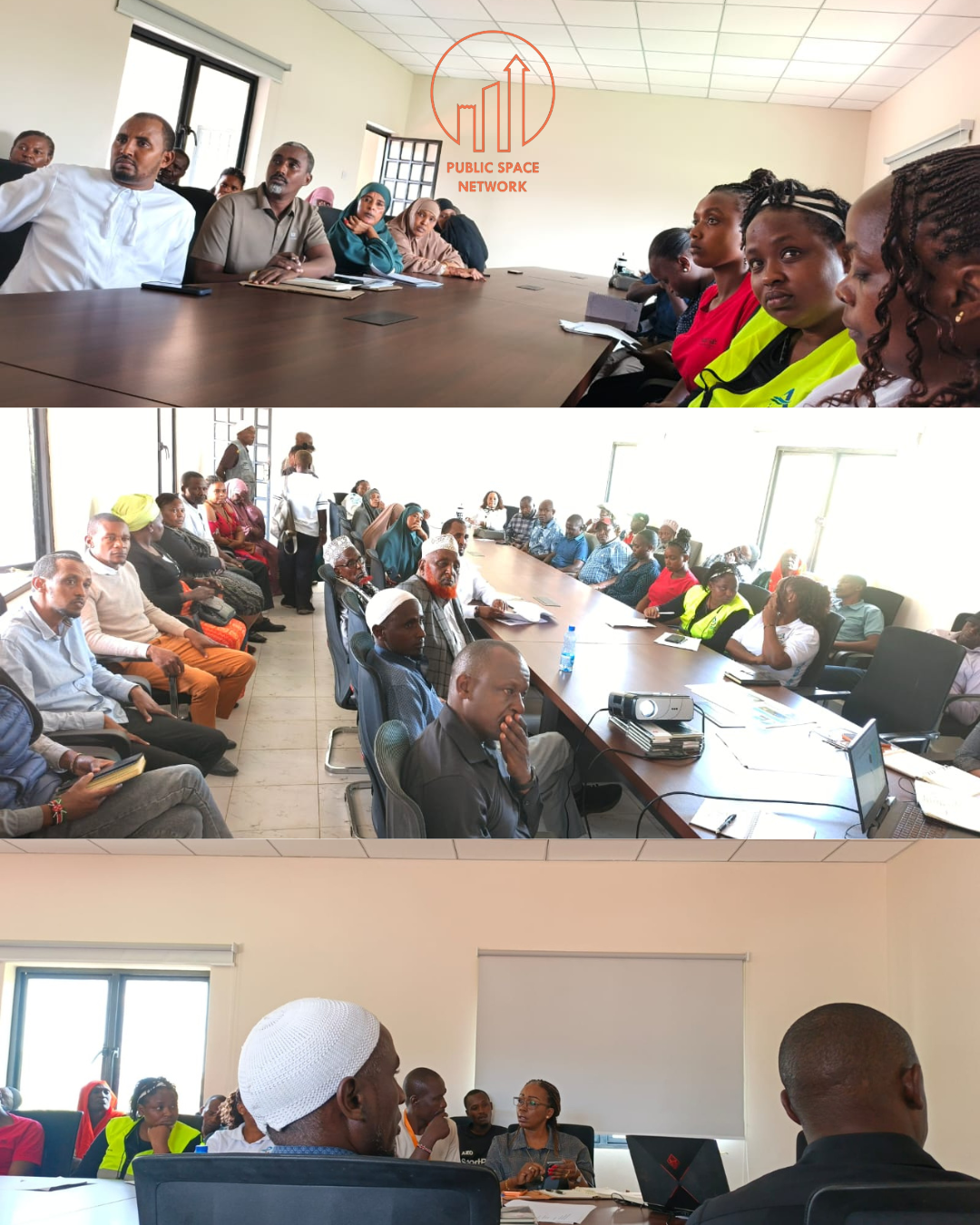
The K-Green master plan consultation in Korogocho demonstrates what structured participation looks like when integrated early, not as a symbolic exercise, but as a practical safeguard.
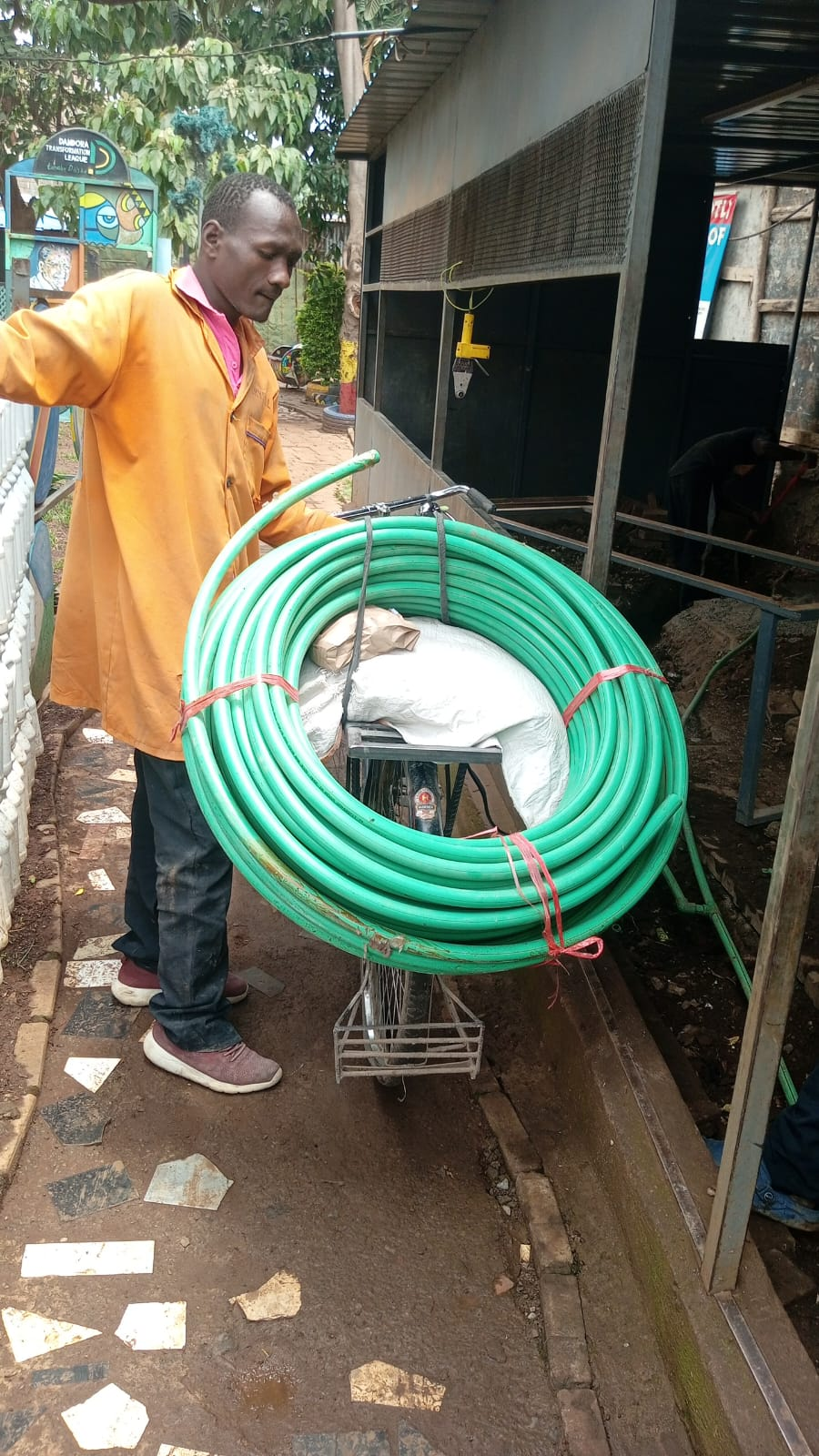
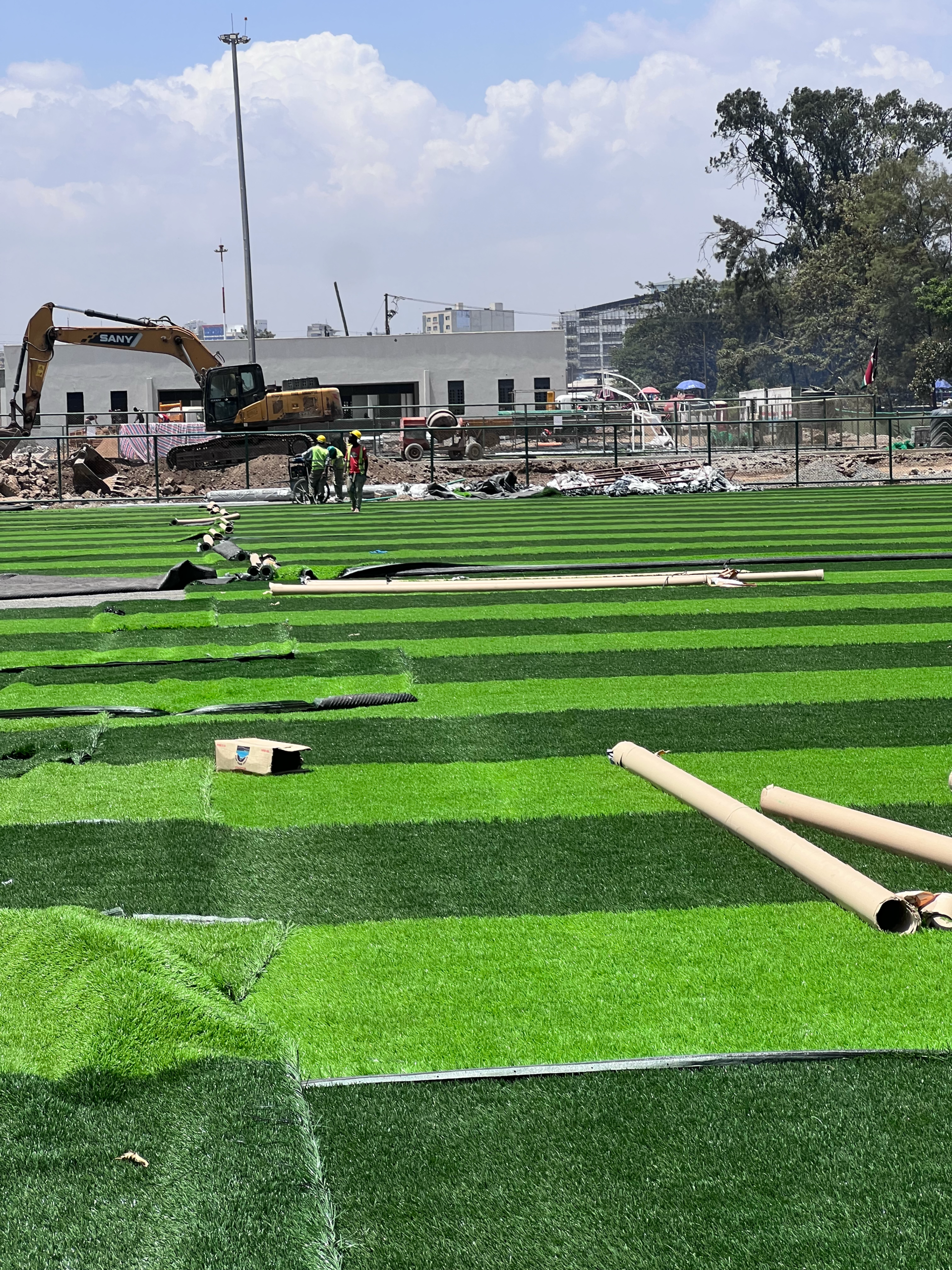
Convened through the Nairobi Rivers Commission, the consultation brought together community leaders, Komb Green representatives, institutional actors, and technical planners around one table. Discussions focused on concrete infrastructure components: sewer installation, riverbank demarcation and future waterfront development.
This is where infrastructure risk is either reduced or amplified.
When participation happens before implementation, assumptions are tested. Local knowledge surfaces. Potential friction points are identified early. Alignment is built before machinery arrives on site.
Structured consultation strengthens legitimacy. It clarifies roles. It signals that development is coordinated, not imposed.
If you are interested in public space developments that last long-term. It is risk management. Projects that ignore early participation often encounter resistance later — delays, disputes, mistrust and reputational exposure. Projects that integrate consultation into planning stages build stability into their foundations. Public participation, when structured, becomes part of how infrastructure is organised.
It reduces uncertainty.
It strengthens implementation.
It protects long-term outcomes.
The K-Green consultation signals something important: community-linked infrastructure can operate within formal institutional ecosystems. Participation and planning are not opposing forces… they are complementary safeguards. Urban development along the Nairobi River carries complexity. Environmental sensitivity, settlement density and historical marginalisation require coordination, not improvisation. Early consultation is not symbolic inclusion. It is how infrastructure becomes more durable, more legitimate and more implementable.
We continue documenting how structured participation shapes large-scale public space and river corridor development across Nairobi.
Because in urban infrastructure, what happens before construction often determines what succeeds after it.
Instagram (https://www.instagram.com/publicspacenetwork/)
TikTok: ( https://www.tiktok.com/@publicspacenetwork )
LinkedIn ( https://www.linkedin.com/company/public-space-network/?viewAsMember=true )
Facebook ( https://www.facebook.com/PublicSpaceNetwork )