

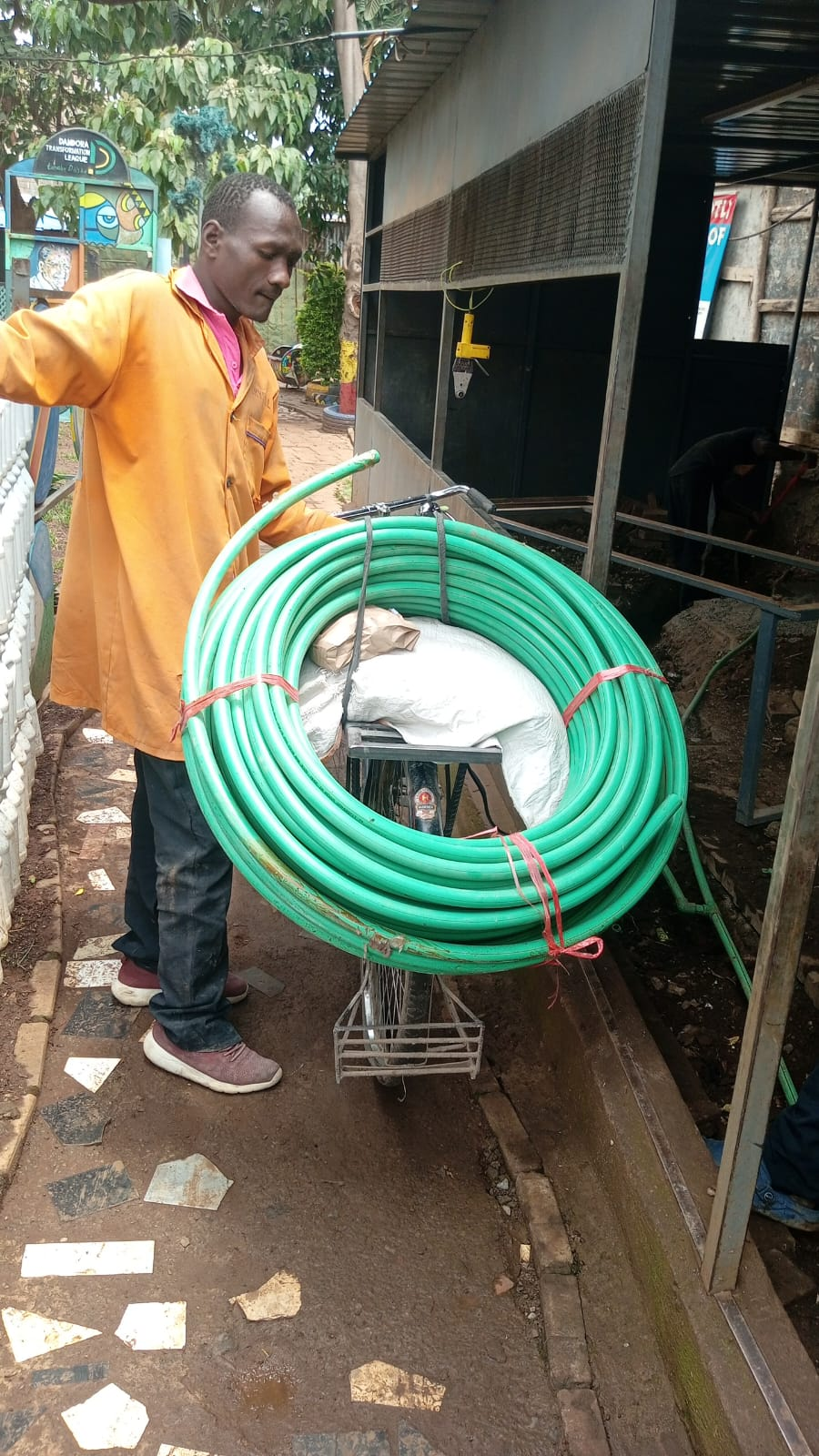
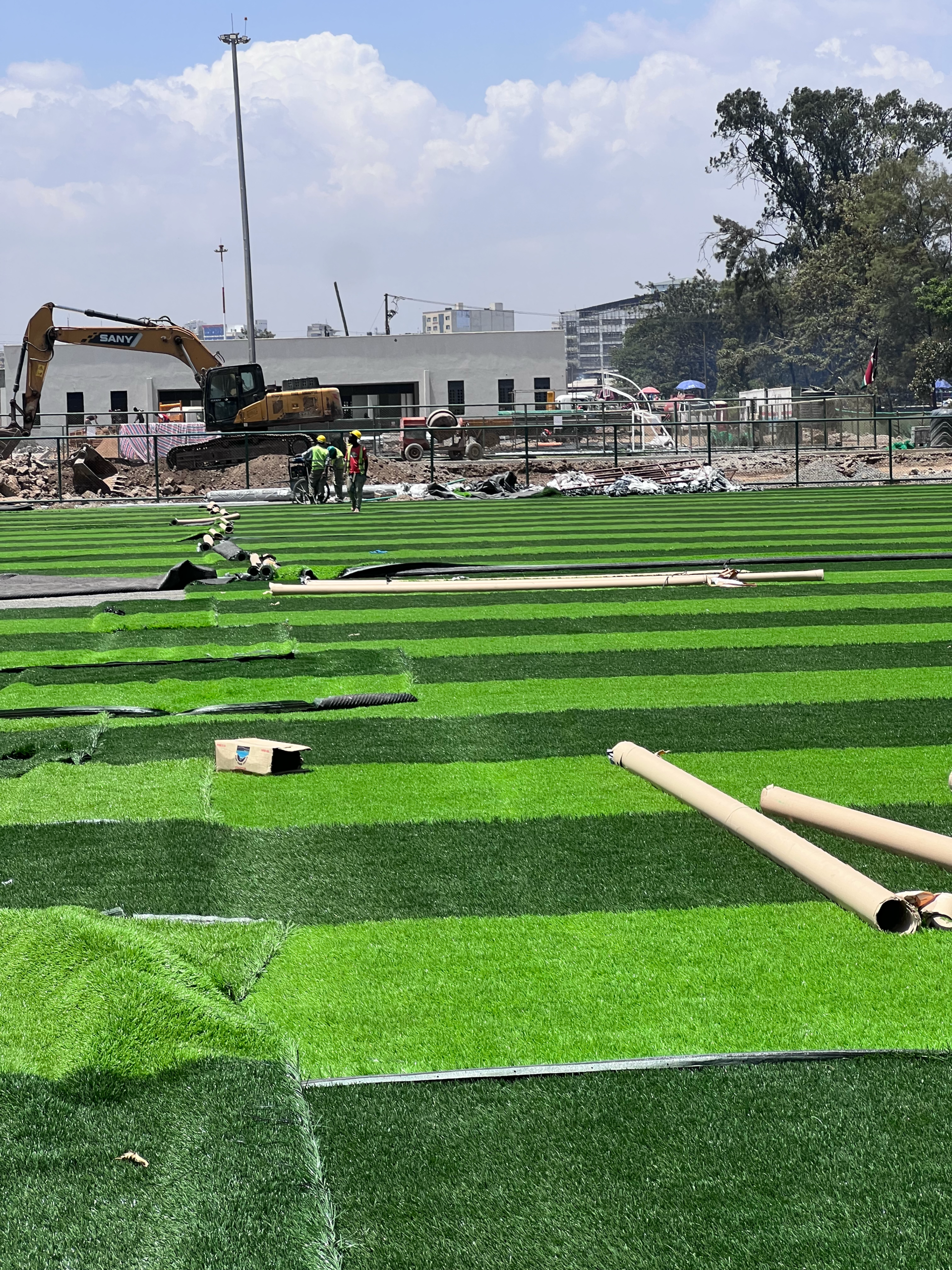
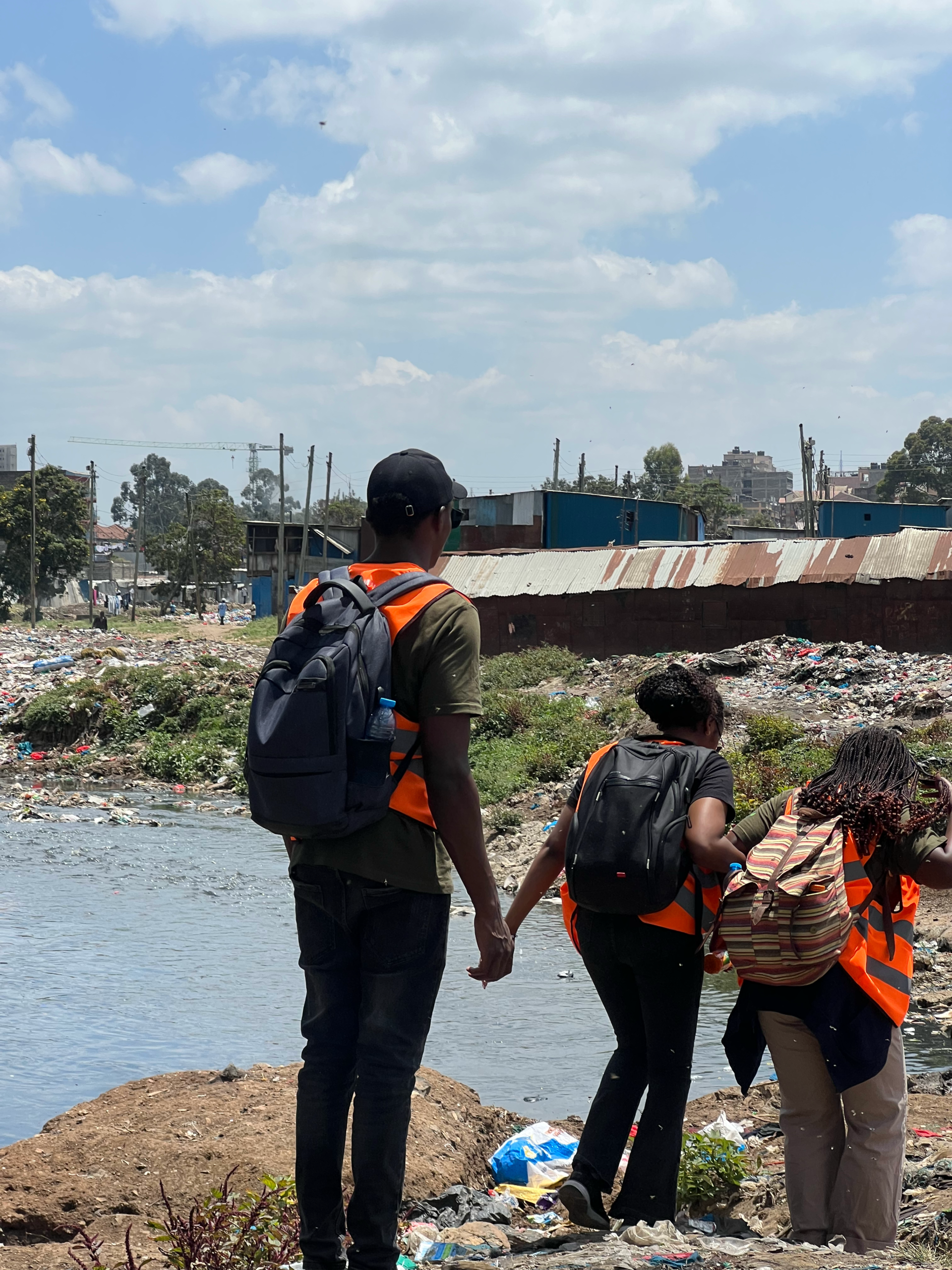


When a project ends, what happens next? For PSN, the true measure of transformation isn’t the ribbon-cutting moment. It’s what follows when the cameras leave. Across Dandora, Kamukunji and Korogocho, PSN has seen something powerful take root: stewardship. In Mustard Seed Garden, community members didn’t just transform their space, they built a hub. Today, people still gather there to stream football matches. They host community launches like the Youth City Changing Faces Competition. They also use the space for events that bring the neighborhood together. In Kamukunji’s KECC Park, local groups maintain the space through a simple community economy. Visitors pay a small fee to use the swings. They can rest under shaded areas, or even host their own community meetings. Local Maasai groups regularly hold these meetings. The funds go toward maintaining the park and paying the youth who work there, turning care into livelihood. In Korogocho, Komb Green Solutions has become a model of sustainability. It now hosts upcycling workshops. It also has a car wash that supports local income. Furthermore, it is constructing a biofiltration pond to naturally clean water that the park recycles.
These efforts show that when communities have ownership, innovation follows. These spaces are more than project outcomes. They demonstrate a core principle of PSN’s design philosophy. A public space belongs to the people who nurture it. That kind of ownership doesn’t happen by chance. It is built through structure. Through its Standard Operating Procedures (SOPs), mentorship, and co-creation sessions, PSN ensures every design is a partnership, not a delivery. Each step, from concept to completion, includes the community’s input and sign-off. This clarity helps residents see the space not as a gift, but as a shared responsibility. It’s a simple but transformative shift. When communities are part of the process, they stay part of the story. They plan, build and later maintain what they once dreamed on paper. They remind us that sustainability isn’t a checklist, it’s a relationship between people and place. For PSN, this is what long-term impact looks like. Not quick wins, but consistent partnerships. Not handovers, but shared stewardship. Because a public space that is cared for by its people will always outlast one that was only built for them. Stay tuned for more stories from the Youth City journey on our storyboard as we continue to share how communities are reimagining ownership and care across Nairobi. You can also follow PSN for more updates and insights on Instagram: https://www.instagram.com/publicspacenetwork/ TikTok: https://www.tiktok.com/@publicspacenetwork0 LinkedIn: https://www.linkedin.com/company/public-space-network/