



Before a space becomes a garden or a park or a playground, it is first something else. Sometimes it is a dumpsite. Sometimes it is a dark corner where people avoid walking. Sometimes it is just a forgotten patch of ground that nobody touches because nobody believes it can be anything more.
But the moment that space begins to change, people begin to change with it.
Across Nairobi, especially in places like Dandora, Korogocho and Kamukunji, the transformation of neglected land into community places has done something that numbers cannot fully capture. It has restored dignity.
You see it in the way people move. A mother who once avoided a corridor behind her house now walks through a well lit path with ease. Children who used to play next to traffic now have space to run without fear. Young people who were once called idle now manage vibrant spaces with purpose and pride.
The shift is not cosmetic. It is personal.
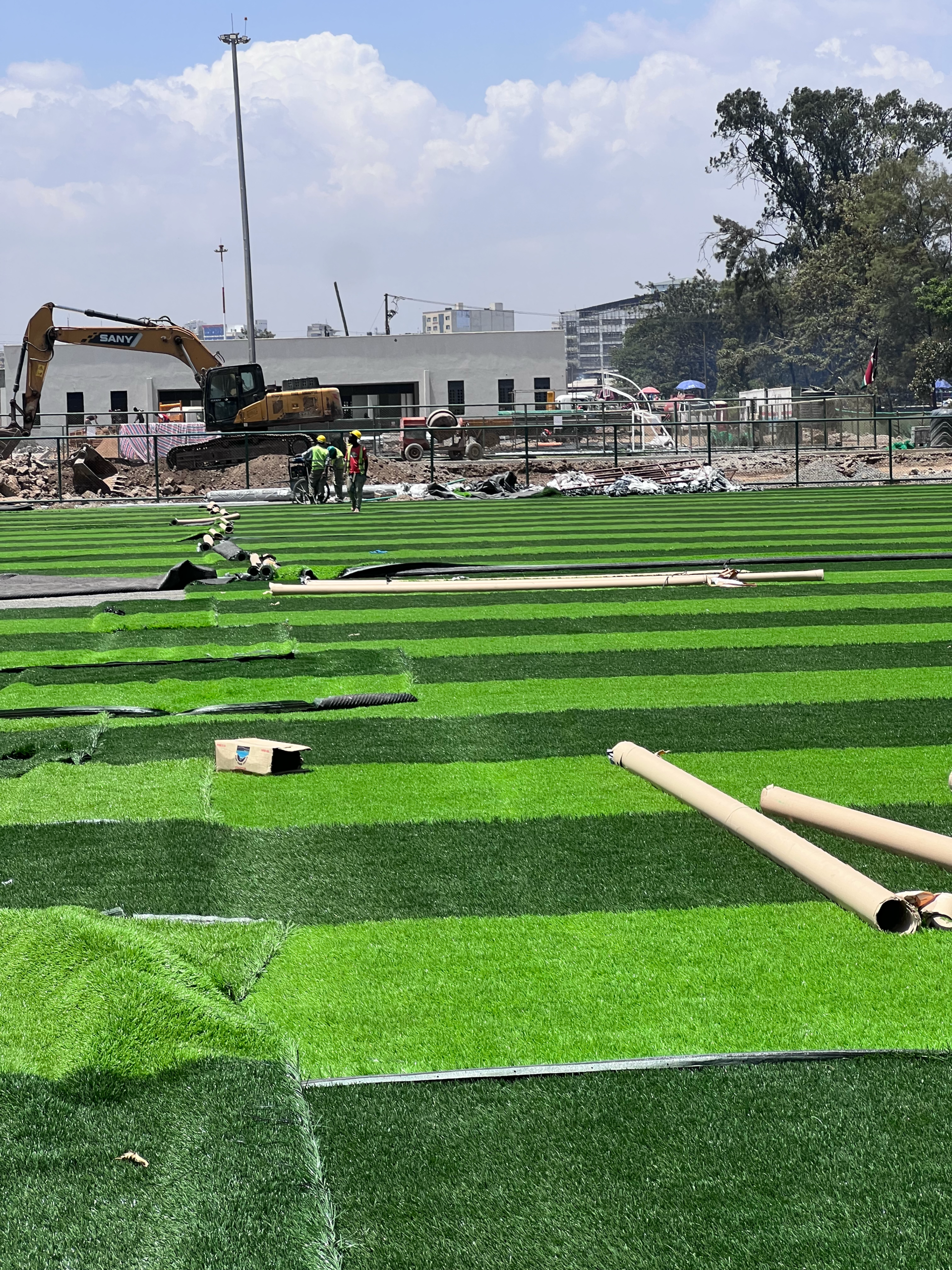
When a dumpsite becomes a garden, the air changes and so does the sense of possibility. When a forgotten patch becomes a football viewing zone or an art corner, laughter returns to a place that once felt unsafe. When a riverbank is cleared and planted, the environment regains strength and the community regains confidence.
This is why the design principles in PSN’s manifesto matter so deeply.
A community place must be clean because people deserve an environment that respects them.
It must be beautiful because beauty teaches the mind to expect better.
It must be inclusive because every person deserves to feel welcome without negotiation.
It must be climate resilient because the community cannot rebuild after every storm.
It must be co created because ownership only grows where voices are heard.
And it must be maintained by the community because transformation means nothing without continuity.
When these principles come together, something powerful happens.
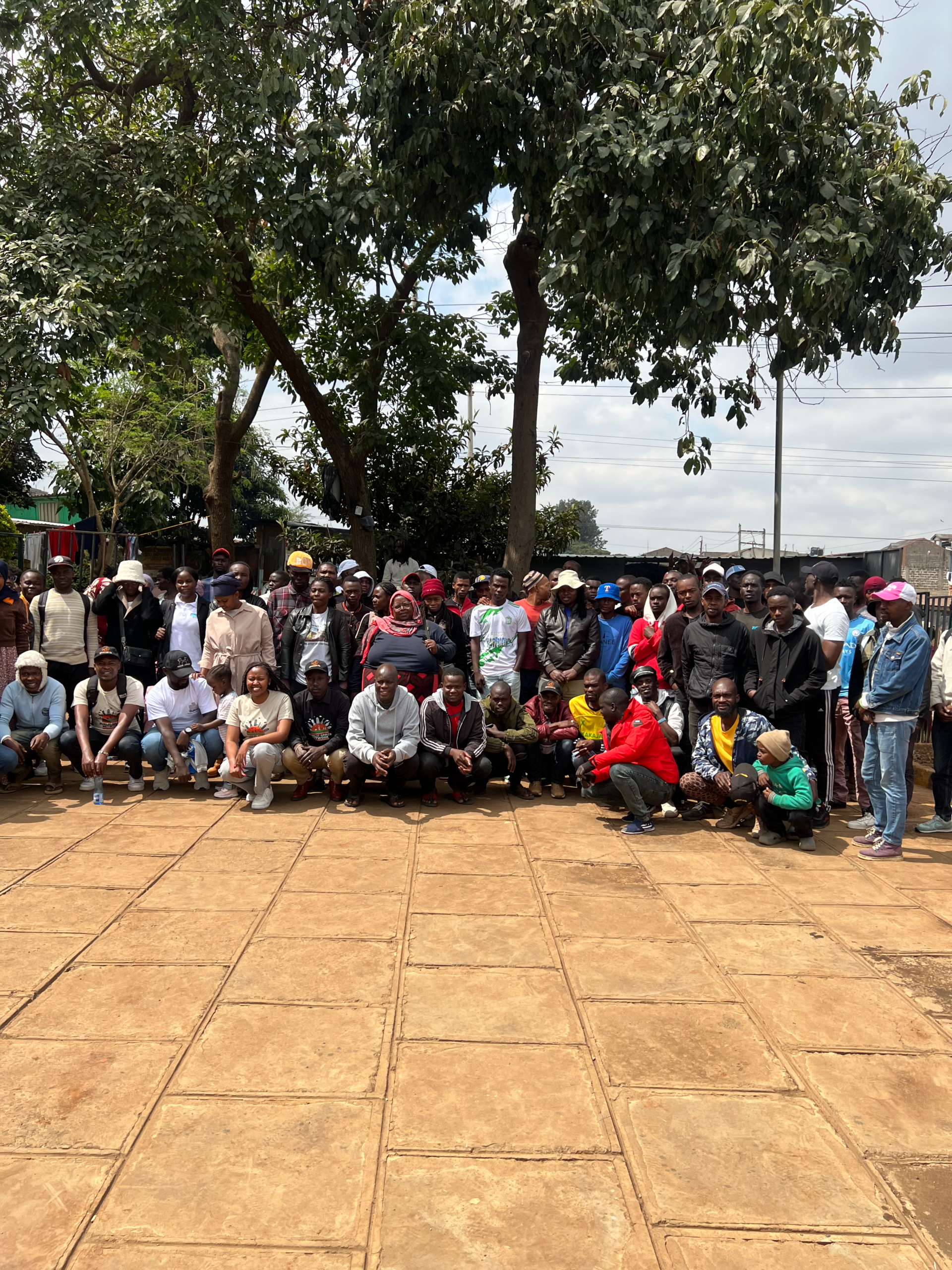
People start caring for the place and for each other. Strangers become neighbors. Youth become leaders. Parents feel safe. Children feel seen.
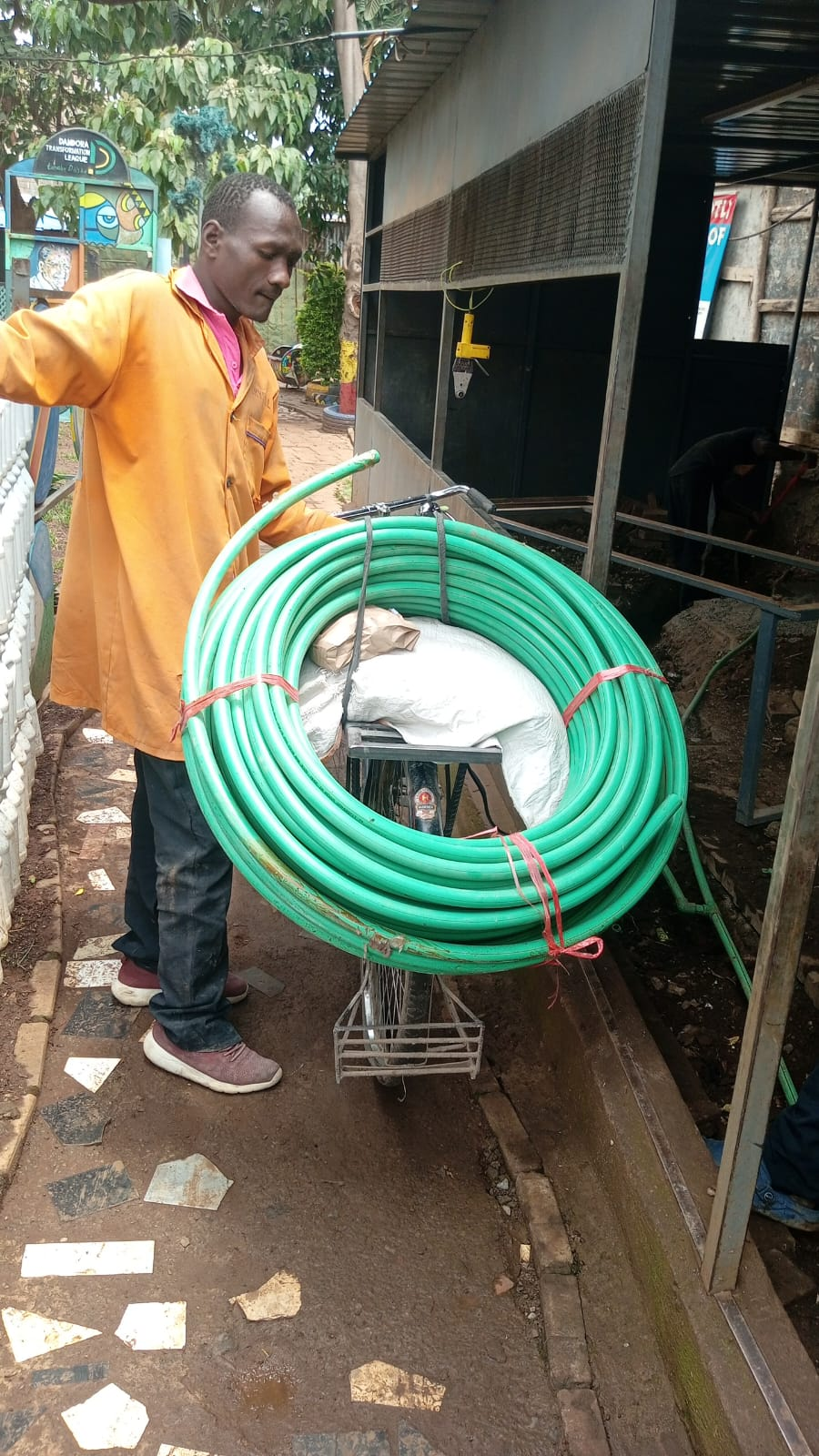
In Mustard Seed, a once neglected ground now hosts football screenings, meetings, and community events. People arrive not because someone told them to, but because they want to be there. In KECC, park users pay small maintenance fees to enter the park so children can enjoy swings and play spaces and in turn these funds support the youth who manage the park. In K Green, upcycling workshops, a car wash that generates income and a growing biofiltration project show how transformed spaces can spark opportunity.
Each of these places proves the same truth. When a community receives a space designed with dignity at the center, it does not just use it.
It protects it.
It improves it.
It grows it.
Because public space is never only about the physical ground. It is about what that ground allows people to feel.
Safe.
Proud.
Included.
Connected.
Human.
That is the real impact of Youth City.
Not only that spaces change, but that people change because of them.
Stay with us as the Youth City project continues to support and highlight what real community-led transformation looks like. You can also keep up with our work through PSN’s LinkedIn (https://www.linkedin.com/company/public-space-network/), Instagram (https://www.instagram.com/publicspacenetwork/) and TikTok (https://www.tiktok.com/@publicspacenetwork0) as we document what it really takes to trigger transformation that lasts.