



Public spaces that ignore climate risk do not simply wear down over time — they fail prematurely. Drainage systems clog and overflow. Open grounds flood during heavy rains and pathways become impassable. Concrete surfaces trap heat, making open spaces difficult to use by midday. What begins as a public investment slowly deteriorates under environmental pressure.
In a city like Nairobi, climate is not a background condition — it shapes how spaces must be designed. At the Public Space Network (PSN), climate adaptation is not treated as an environmental add-on. It is embedded into how spaces are assessed, designed and delivered. Because protecting the long-term value of public space requires planning for the conditions it will actually face. Dandora Community Park offers a clear example. Before construction progressed, a design-led site assessment was conducted. This involved walking the site, observing drainage patterns and speaking with residents about rainfall and heat exposure. Those observations shaped the design.
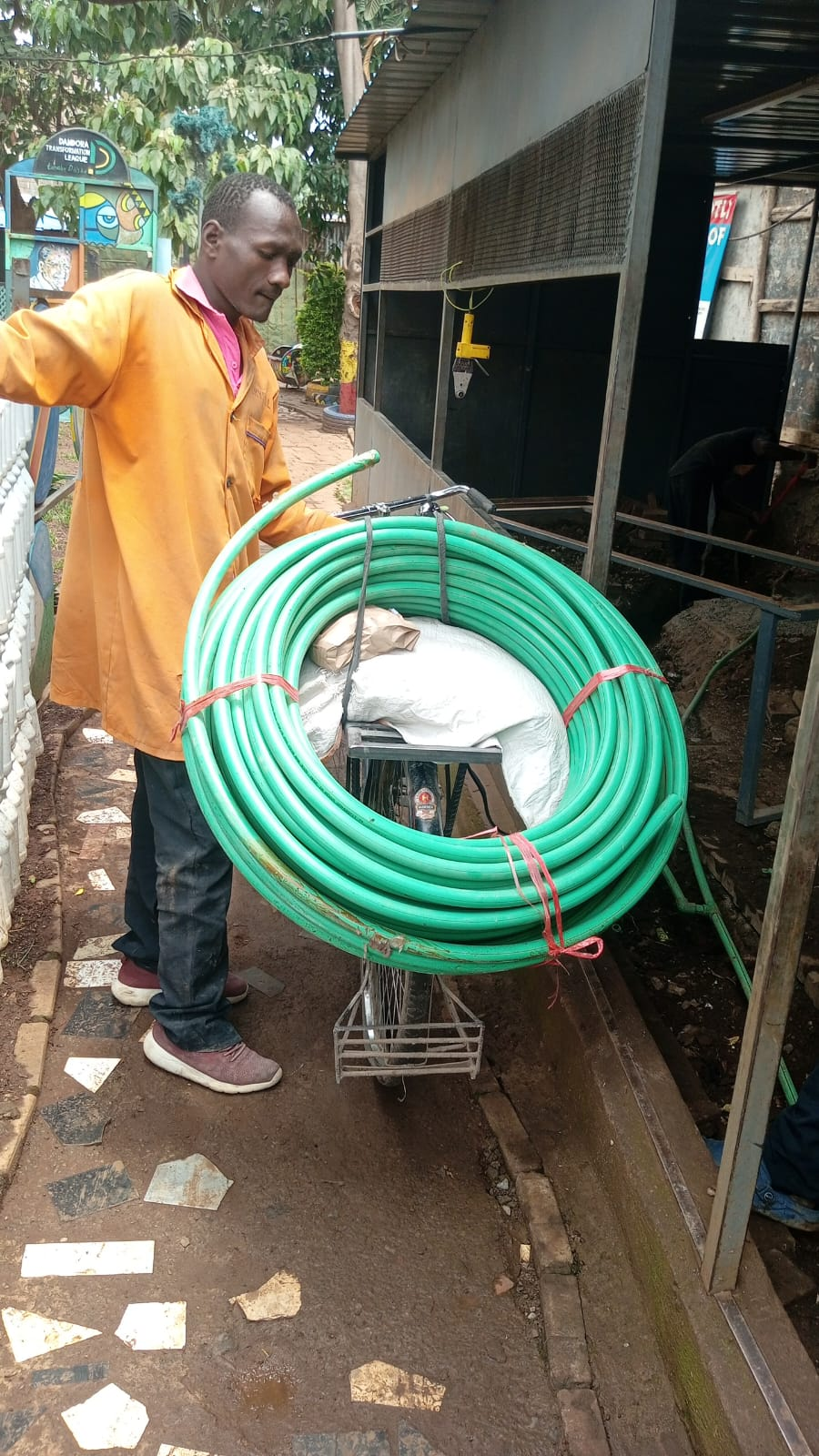
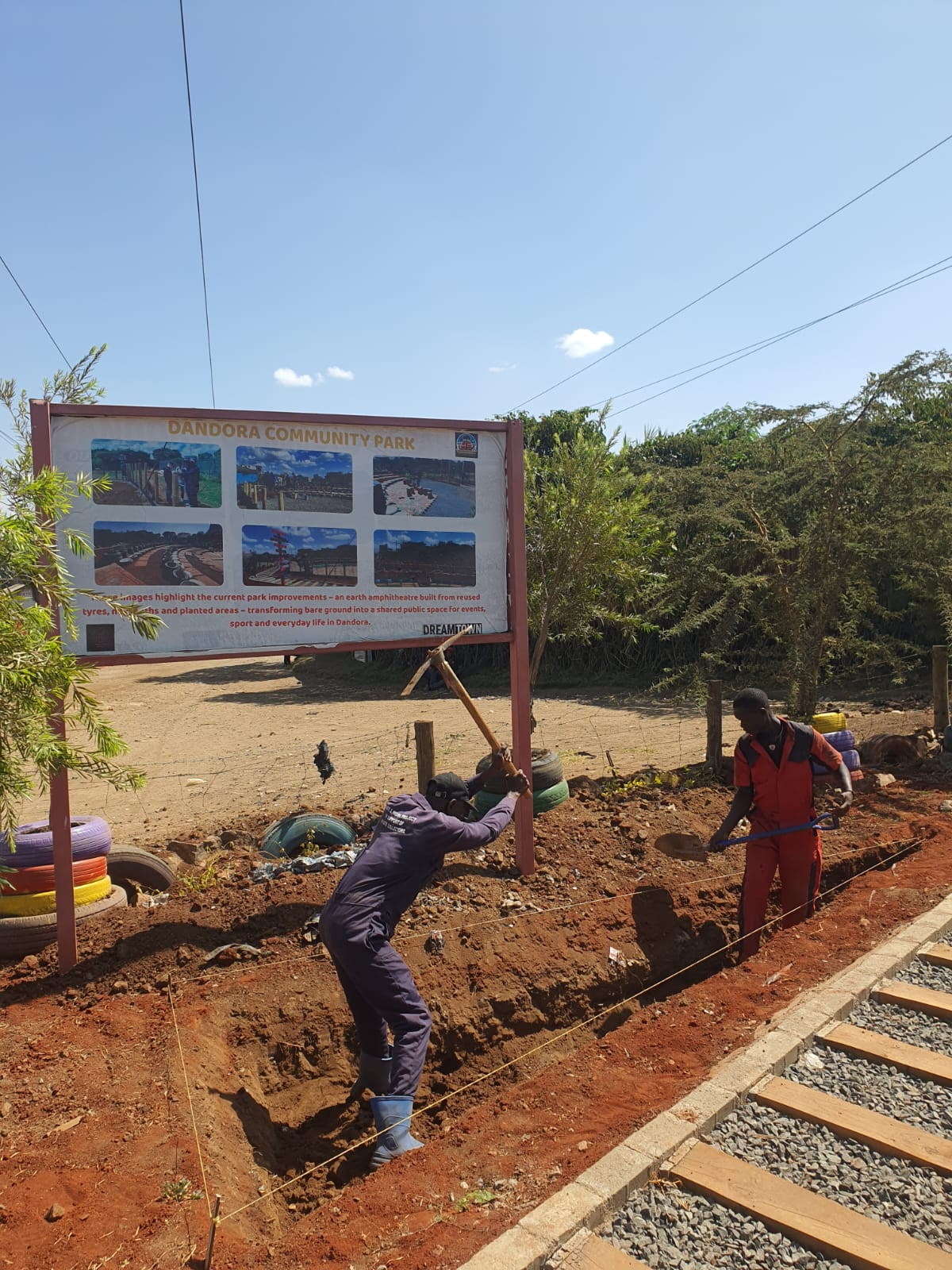
Beneath the amphitheatre lies a concealed drainage system engineered to channel water away during rainfall. An underground tank is being constructed to manage water more effectively. A rain garden is currently being excavated; on the first day alone, digging reached approximately 8 by 6 feet at a depth of 2 feet, with excavation continuing. These are functional climate-responsive features designed to extend lifespan and usability. Alongside design-led site assessments, PSN builds technical climate literacy through initiatives like the Cool Waters Climate Change Academy, where local youth and community participants engage in GIS and hazard mapping to understand environmental exposure and adaptation strategies. This layered model ensures that climate adaptation is engineered into infrastructure and embedded into local capacity. For urban planners and sustainability leaders, this approach addresses long-term asset protection. Spaces not designed for rainfall intensity and heat variation incur hidden maintenance costs and fail faster. Climate-responsive design reduces that exposure, protects usability, and safeguards infrastructure value.
Protecting long-term value requires designing for resilience from the outset. In Nairobi, where climate pressures are already visible, public space transformation cannot be separated from environmental realities. We regularly document how these systems are implemented across our projects; follow our updates on social media to see how climate-responsive public spaces continue to take shape across Nairobi. At PSN, it begins at design and that is how we protect long-term value.