


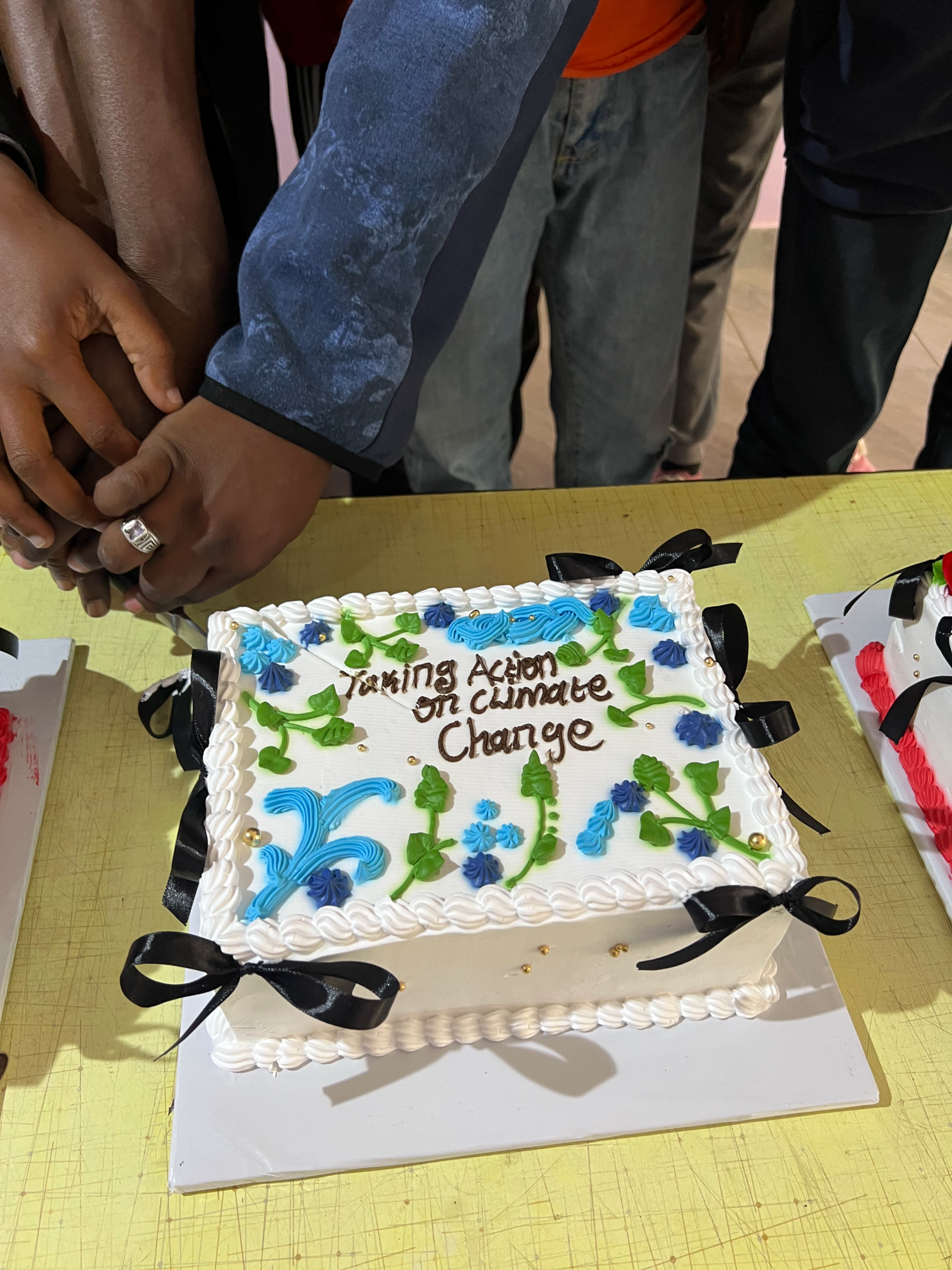


If Nairobi’s future were a building, it would already be cracking at the foundation. Floods tear through streets that were never designed to absorb water. Heat builds in concrete corridors where trees once stood. Dust and pollution rise where wetlands used to breathe. For years, city design has been about what we can build — roads, drainage, bridges and walls. But maybe the question Nairobi needs to ask is: what should we let nature do? Because nature is not decoration. It’s infrastructure. Through the Cool Waters Climate Change Academy, PSN has spent the past months helping communities, youth leaders and local designers understand what this means in practice. As the Academy wraps up its second cohort, one lesson stands clear: real resilience begins when we let natural systems guide our cities.
Nature-based solutions, or NBS, are not futuristic experiments. They are practical systems that already exist in nature — wetlands that filter water, tree corridors that cool air and absorb carbon, and permeable pavements that let rain soak in instead of flood out. Cities that have embraced green infrastructure are already proving what’s possible. In Singapore, every new development must include green roofs or vertical gardens that reduce heat and capture rainwater. In Copenhagen, rain gardens and permeable streets now absorb floodwater that once shut down the city during heavy rains. In Kigali, restored wetlands are cleaning stormwater naturally while providing safe havens for biodiversity. Each of these cities shows that climate resilience is not built on concrete alone but on environmental intelligence woven into design. When cities plan with nature instead of reacting to disaster, daily life becomes safer, cooler and more livable. Floods are reduced, air becomes cleaner and neighborhoods adapt faster to extreme weather.
For PSN, this is what the future of Nairobi’s urban design must look like — streets lined with trees that double as air filters, restored rivers that cool surrounding areas and parks that protect homes from floods. The graduates of the Cool Waters Academy are carrying these ideas forward, turning learning into leadership and inspiration into action. Because climate adaptation is no longer just a conversation. It’s a choice. A choice between grey infrastructure that breaks and green systems that adapt. Between short-term fixes and long-term balance. Nairobi’s future depends on what we build and what we allow nature to do. Nature-based solutions aren’t a luxury. They’re the blueprint for resilience. Follow PSN on LinkedIn (https://www.linkedin.com/company/public-space-network/) to see how the Cool Waters graduates are taking climate adaptation lessons beyond the classroom and into Nairobi’s neighborhoods. Stay tuned for their upcoming graduation ceremony and stories of how they are turning ideas into change.