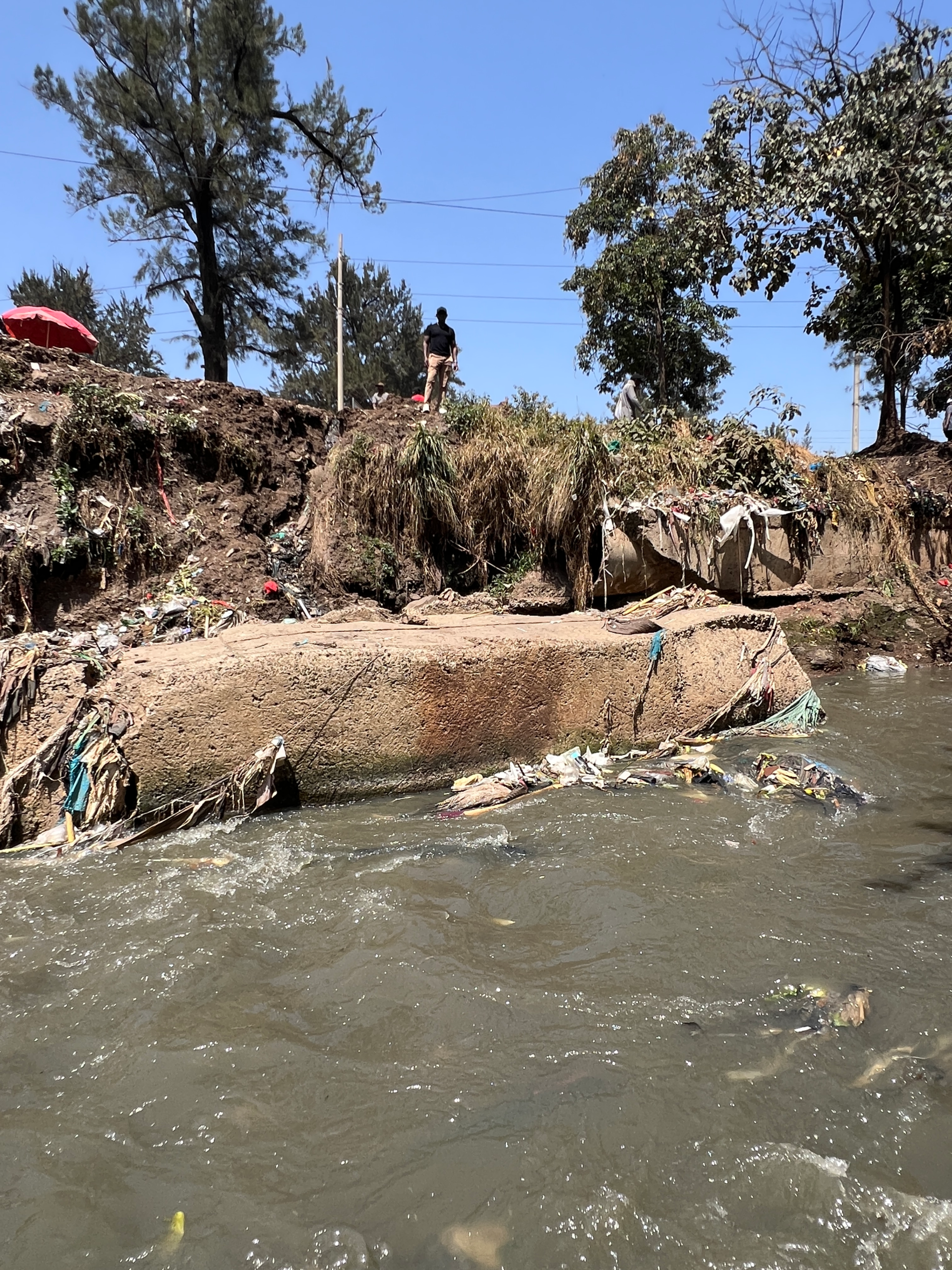


For over two decades, Nairobi has spent billions trying to clean the river that runs through its heart. Yet, every time it rains, the same black water returns. Why? It isn’t one problem… it’s four. The first is solid waste, mountains of mtumba textile waste and uncollected garbage choking the flow. The second is sewage, a dozen broken trunk lines spilling untreated waste straight into the river. The third is industrial dumping, chemical discharge from factories that stain the water black and toxic. And the fourth is unplanned land use, settlements built too close to the banks, where every flood carries waste back into homes. These are the Four Horsemen of Nairobi River pollution. They’ve survived 15 clean-up initiatives and more than $400 million in funding. They thrive in the gaps between responsibility and accountability, in a culture that builds headlines instead of systems. RiverLife TV exists to change that. By combining data, storytelling, and community stewardship, it documents what’s actually changing and what’s not. The goal isn’t another report, it’s continuous visibility. Through stewards stationed along different stretches of the river, Public Space Network captures the truth from Ondiri to Kamukunji: what policies miss, what communities see and what progress looks like on the ground. Because the Nairobi River won’t heal from promises. It will heal when accountability flows stronger than pollution. Watch full RiverLife TV episodes on YouTube (https://youtube.com/@riverlifetvkenya?si=cd1LhRjf8Yc-moJ3) and follow PSN for behind-the-scenes progress and updates on Nairobi River regeneration: Instagram (https://www.instagram.com/publicspacenetwork/), TikTok (https://www.tiktok.com/@publicspacenetwork0), and LinkedIn (https://www.linkedin.com/company/public-space-network/?viewAsMember=true). Change starts when we keep watching.