



“There was a time in Dandora when you could lose your shoes while wearing them.”
For many residents, that sentence isn’t a metaphor. It reflects a period when parts of the neighbourhood were defined by insecurity, idle youth, and neglected public spaces. Courtyards were non-existent. Open areas were unstructured. Energy existed… but it had no organised outlet.
Crime did not emerge in isolation. It grew in the absence of systems.
Over time, it became clear that enforcement alone would not shift the trajectory. What was needed was redirection, a structured way to channel youth energy into visible, constructive change. That shift began with mobilisation.
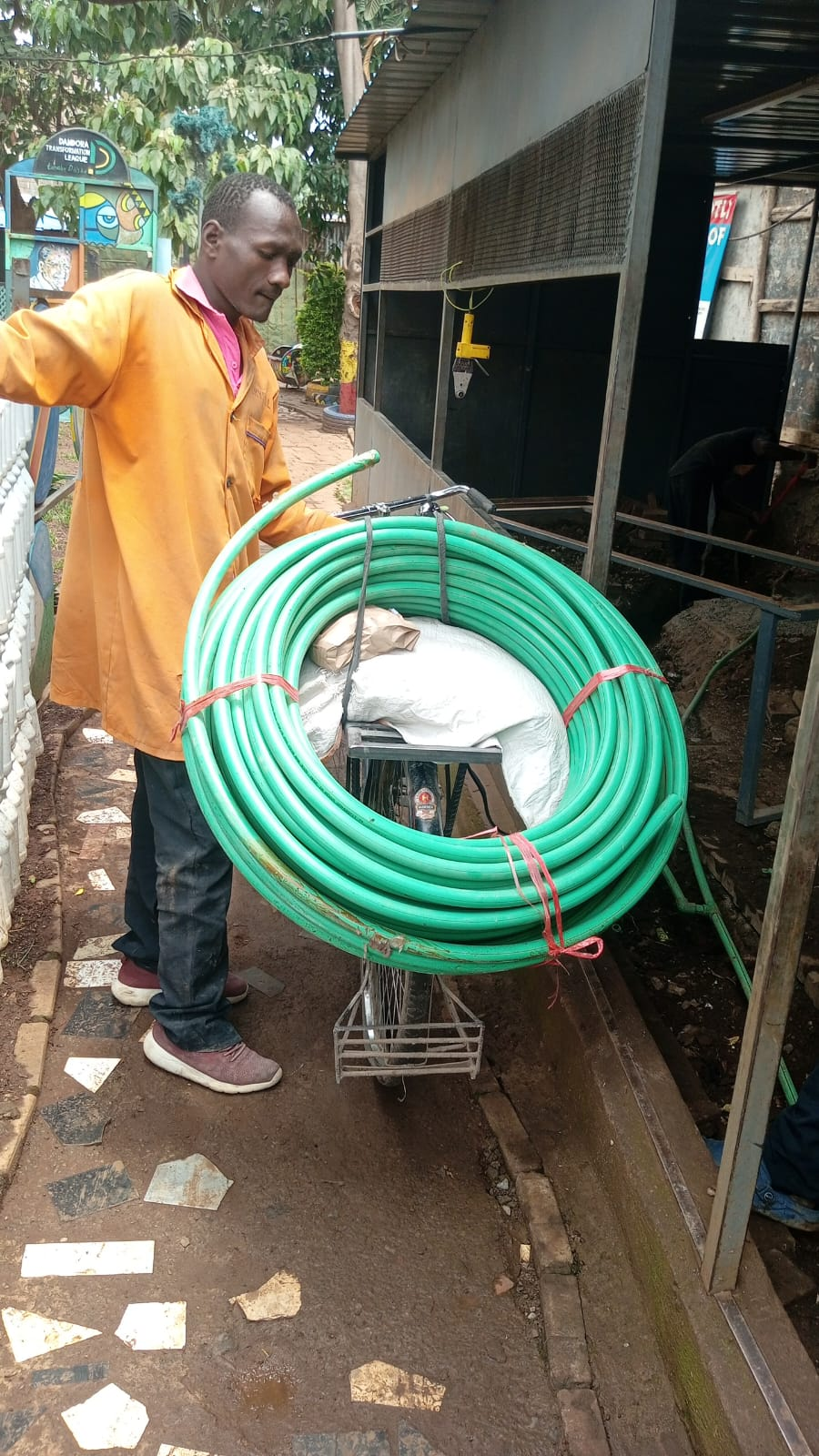
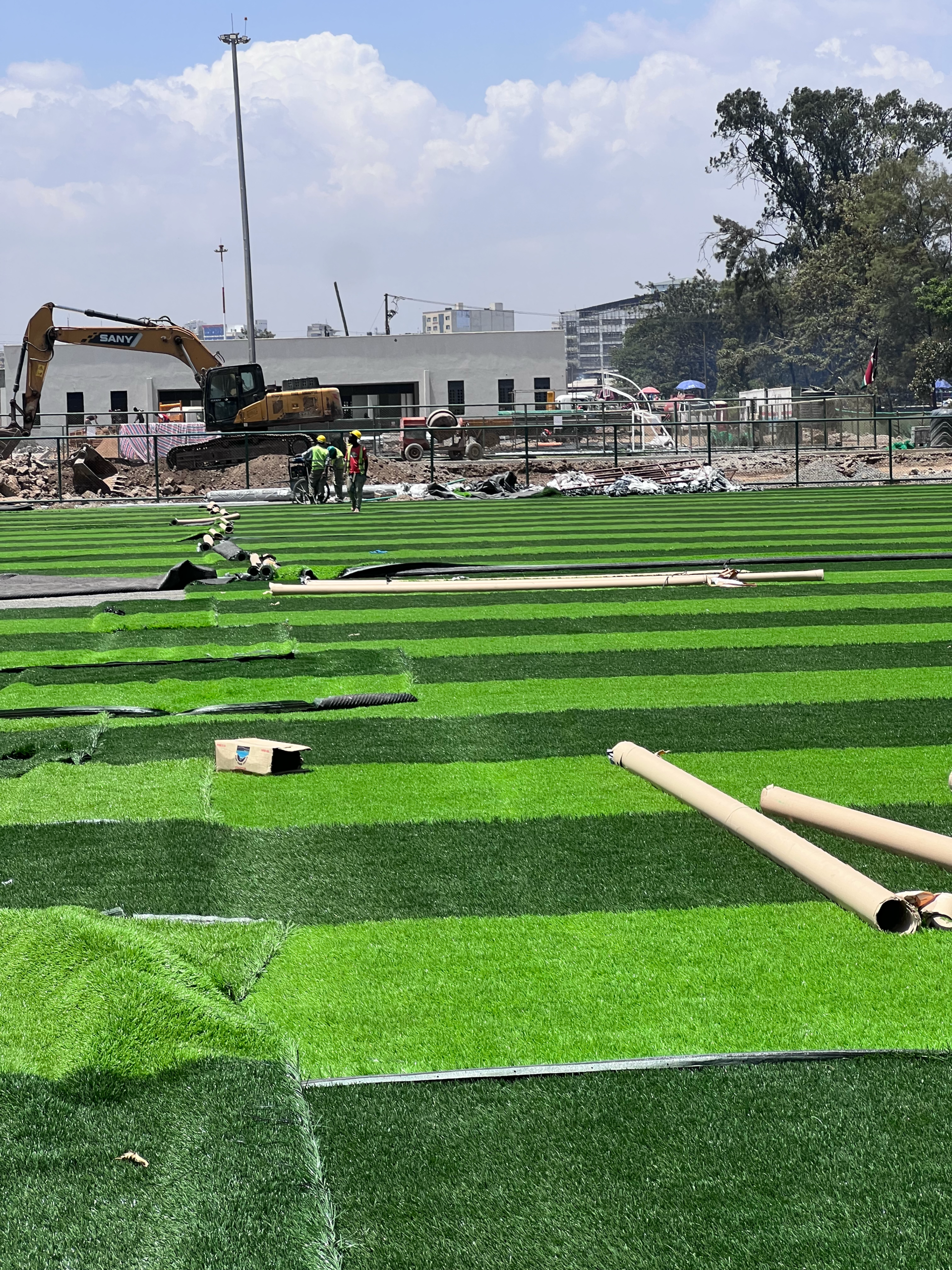
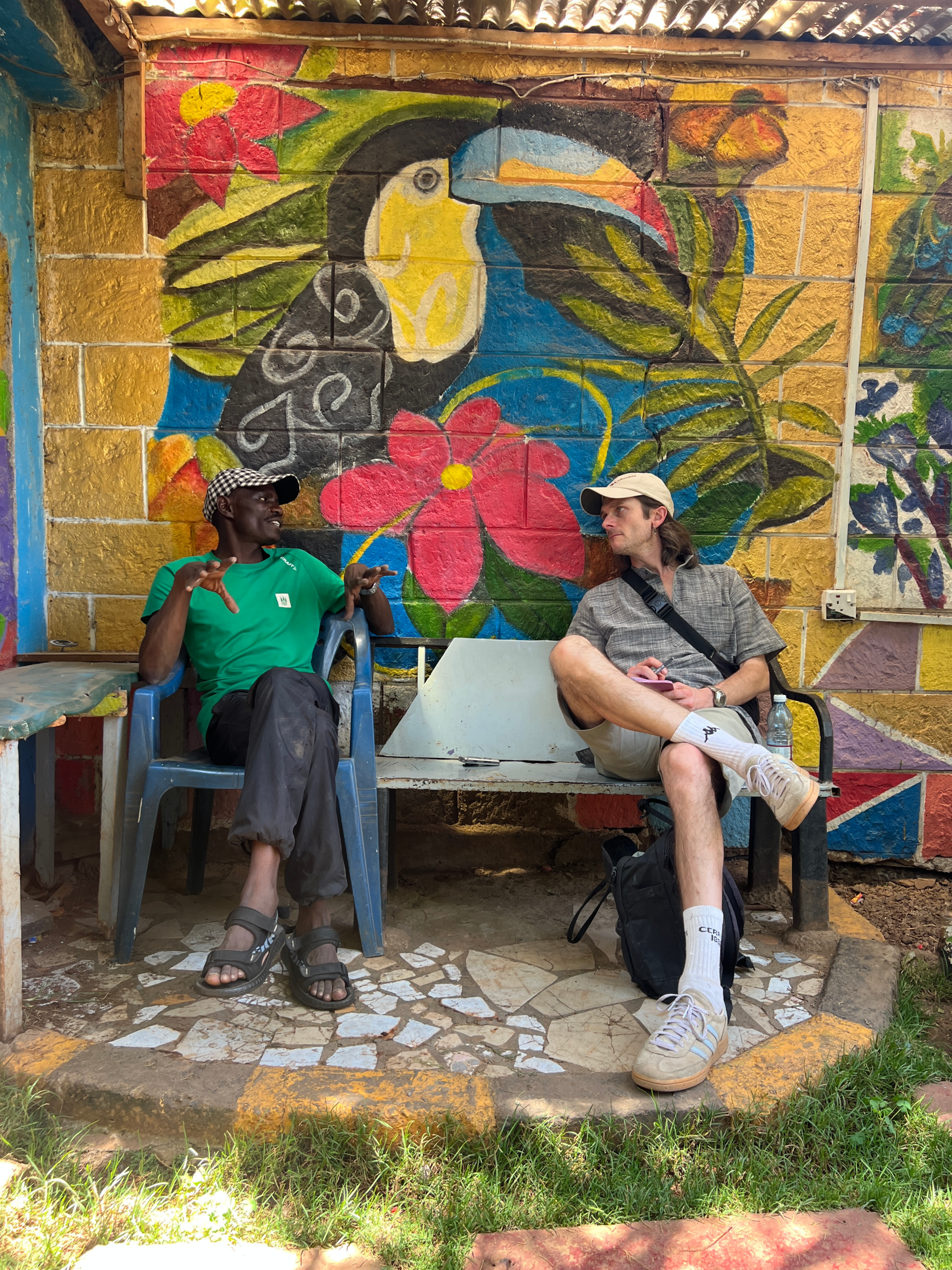
The Changing Faces competition was not a one-off clean-up. It was a structured engagement mechanism. Youth groups were organised around defined spaces. Clear criteria were set. Timelines were established. Progress was visible. Recognition was public. Neglected courtyards were no longer anonymous zones. Through the courtyard system, spaces became identifiable and claimed. Defined groups took responsibility. Cleanliness improved. Order became visible.
The change was not cosmetic. It was structural.
When youth were mobilised through defined pathways — with roles, expectations and public accountability — participation increased. Idle time decreased. Employment opportunities were created through transformation activities and ongoing maintenance roles. Cleaner spaces signaled presence. Presence signaled order. Order contributed to improved safety.
Crime did not disappear entirely. But it reduced significantly. Perceptions shifted. The neighbourhood’s reputation began to change. Not because of a temporary intervention, but because a system had replaced disorder. The critical factor was structure.
Youth mobilisation was intentional. Courtyard activation was organised. Responsibilities were visible. The model redirected energy into transformation rather than leaving it unmanaged. This is what structured community mobilisation looks like in practice. Safer spaces did not emerge by chance. They emerged because engagement was designed, not improvised. Because participation had criteria. Because ownership was defined. Because public space was treated as a managed environment, not an abandoned one.
Dandora did not change because someone visited once. It changed because community energy was organised. And when mobilisation is structured, transformation becomes durable. We continue documenting how community-led systems reshape public space across Nairobi. Follow our updates to see how organised mobilisation translates into safer, cleaner and more resilient neighbourhoods.
Instagram (https://www.instagram.com/publicspacenetwork/)
TikTok: ( https://www.tiktok.com/@publicspacenetwork )
LinkedIn ( https://www.linkedin.com/company/public-space-network/?viewAsMember=true )
Facebook ( https://www.facebook.com/PublicSpaceNetwork )