



In Nairobi, we’ve all seen it: a place gets cleaned, repaired, even celebrated… and then slowly slips back into neglect. A drain is cleared. A road is patched. Photos are taken. For a moment, it feels like progress. But without a system behind it, progress fades. The missing ingredient is rarely effort. Residents care. Energy exists. What often disappears is the structure that keeps effort from fading.
So what separates temporary upgrades from lasting change?
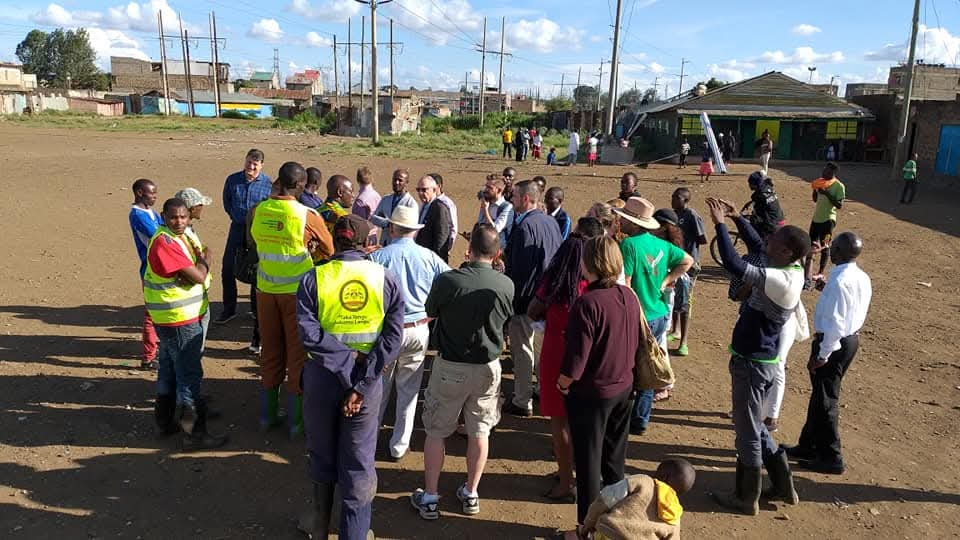
In Dandora Phase 2, a once-neglected access road — now called Badilisha Street — offers a clear answer. It began as an unnamed access road… functional, but neglected. Drainage issues persisted. The road wore down. The kind of place many neighbourhoods quietly accept as “just how it is.” Dandora residents chose not to accept that.
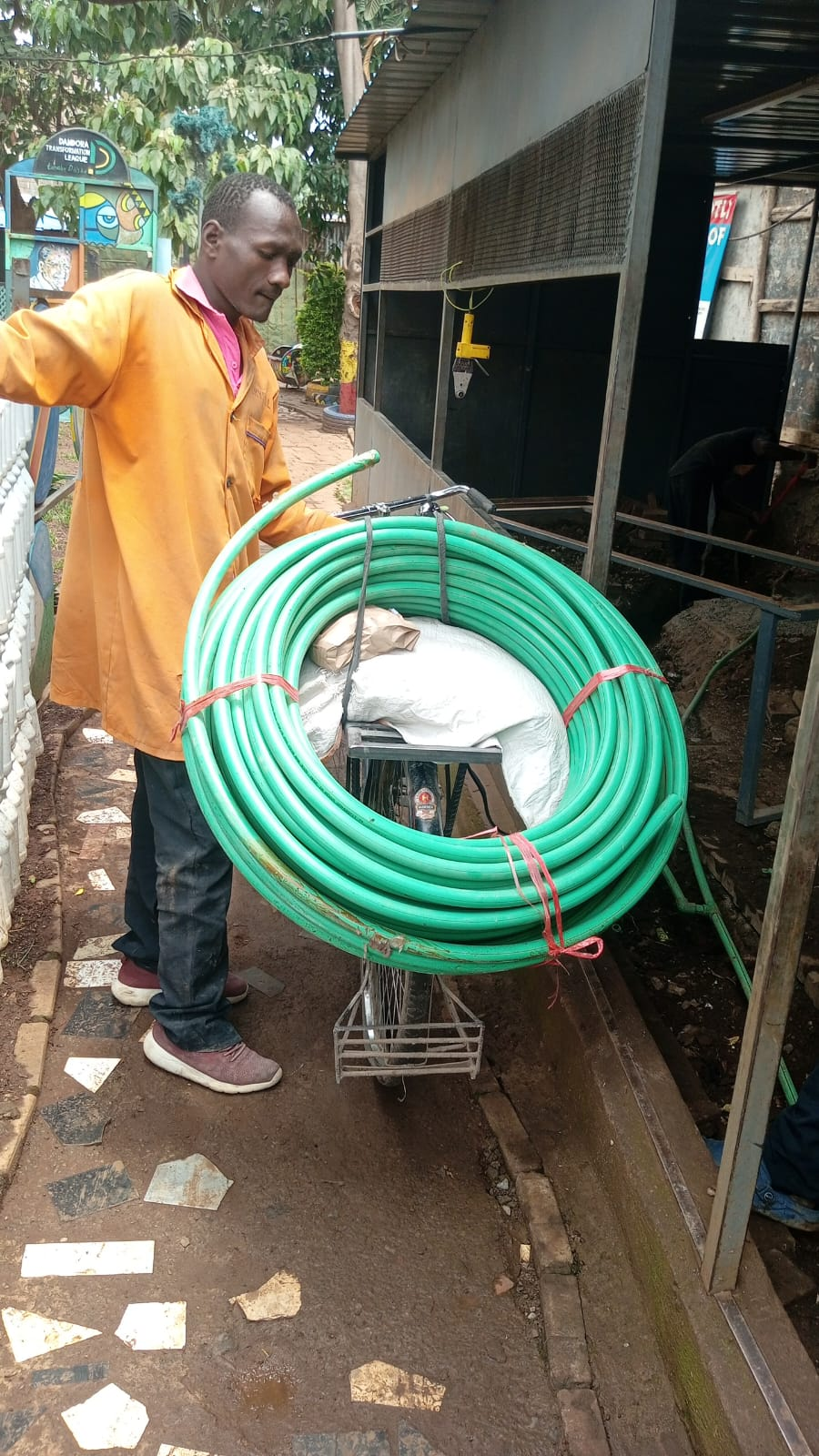
The transformation did not start with a one-day clean-up. It followed planned steps focused on durability. Drainage and grey water management were addressed. Road upgrades were implemented in phases. Lighting improvements increased safety. Gateways and signage were installed to clearly demarcate the zone as managed and community-protected.These were not cosmetic additions. They signaled responsibility.
But infrastructure alone does not sustain change. Maintenance does. So residents established something less visible and more powerful: a governance mechanism.
Households agreed to contribute approximately 100 KES per month into a community-managed account. The funds support daily sweeping and local security oversight, carried out by paid youth from the area. Responsibility is defined. Resources are allocated. Care is continuous.
This is where the difference becomes clear. Real transformation is not only what gets built. It is what is organised to last. After completion, residents held a democratic naming process. They chose “Badilisha” meaning “Change.” Not only to mark physical upgrades, but to reflect a broader shift: from neglect to coordination, from waiting to managing.
Badilisha Street matters because it represents more than an improved road. It represents a model. The work was phased. The responsibilities were clear. Maintenance was built into the design. The system reduces the risk that change disappears after the photos.
And that is the lesson Nairobi should pay attention to. Sustainable community-led transformation does not depend solely on large budgets or external rescue. It depends on structured action, shared responsibility, and visible accountability. Dandora is showing what becomes possible when residents move beyond short-term fixes and build systems that protect their own progress.
If more streets adopted similar models — planned work, clear governance, ongoing care — how different would our city look?
We document stories and systems like this because they demonstrate how public space improvements can move from temporary upgrades to durable transformation. Dandora is not just changing one street. It is showing Nairobi what organised, community-led change looks like… and how it lasts.