



For more than twenty years, Nairobi has poured time, money and promises into cleaning its river.
At least fifteen major clean-up efforts have been launched since 1999, each backed by impressive figures and official fanfare. The latest, the Nairobi River Regeneration Initiative, began in 2022 with a price tag of more than 400 million dollars.
Three years later, one question still hangs in the air: what changed?
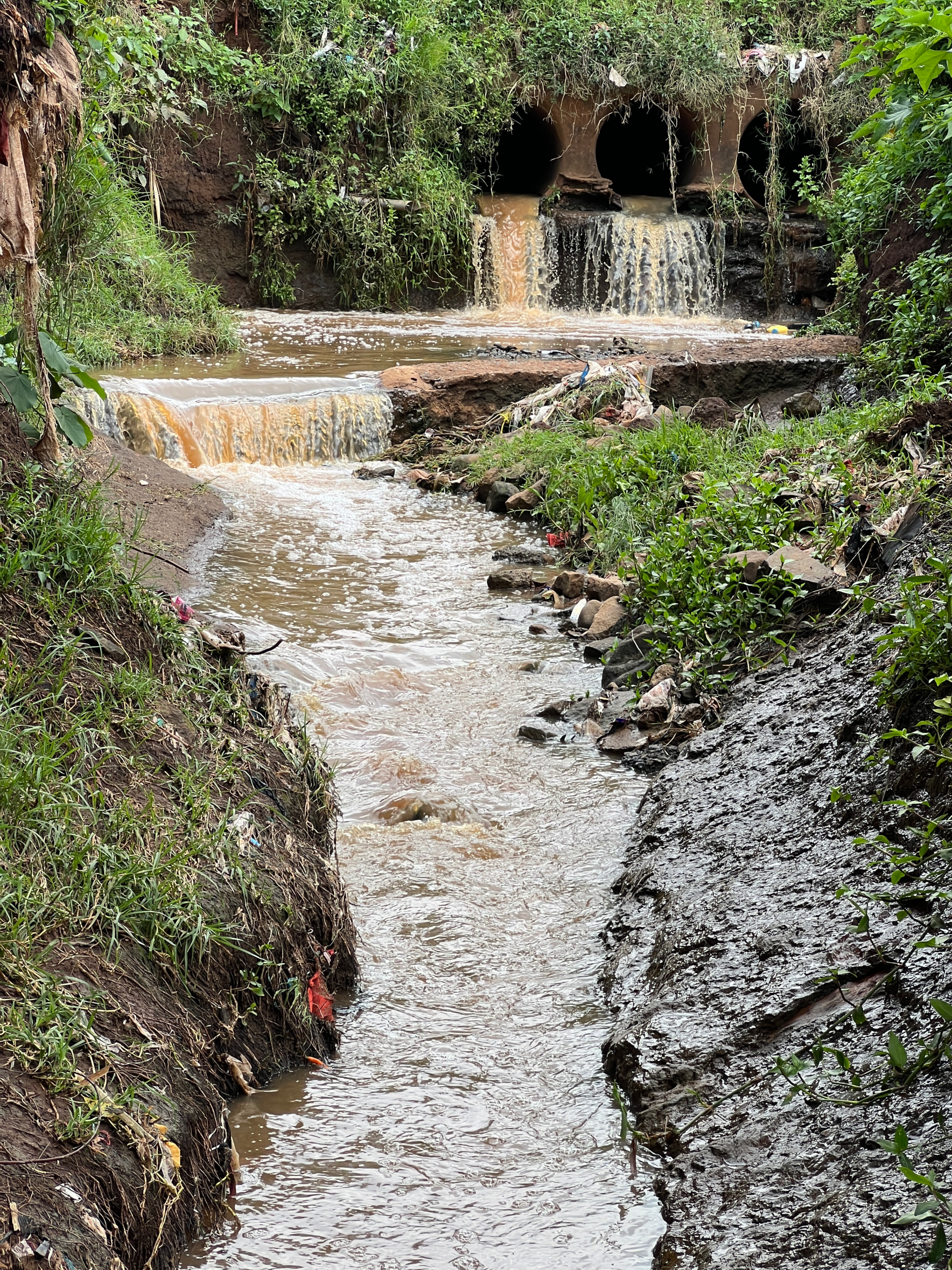
Near its source in Kiambu’s Ondiri Swamp, the Nairobi River begins clear and still. Within just a few kilometers, nevertheless, the water darkens. By the time it reaches Kamukunji and Gikomba, the river becomes a moving symbol of neglect. It is black, slow, and heavy with waste.
Its decline can be traced to four forces. These include solid waste dumping, broken sewer lines, chemical discharge from industries, and unplanned land use along the banks. Together, they have turned a once-living river into a channel of pollution that now flows back into daily life. Nearly 30 percent of Nairobi’s vegetables are grown using water from the Athi River Basin, which carries this pollution downstream.
Despite repeated efforts and massive spending, the situation has barely improved. The challenge is not only technical, it is systemic. Without transparency and accountability, each new initiative risks becoming another headline instead of a solution.
This is where RiverLife TV steps in.
RiverLife TV is a new accountability platform. It documents the Nairobi River Basin from its clean beginnings at Ondiri. The river then flows through its urban stretches like Dagoretti, Kamukunji, and Ruai.
It combines storytelling, science, and community data to ask difficult questions and share honest answers.
A network of river stewards is at the heart of the project. These stewards are local residents trained to watch conditions. They document and report what they see along the river. Their findings will inform monthly updates, showing what’s working, what’s failing and where change is actually visible.
These stewards are turning frustration into participation. They ensure that Nairobi’s residents are not just witnesses to the river’s story. They become authors of its recovery.
Transparency is not confrontation; it is the first step toward collaboration. RiverLife TV believes that everyone has a role in restoring accountability to the river’s future. This includes government agencies, factories, and citizens.
If hundreds of millions have already been spent, then Nairobi deserves to see results.
RiverLife TV is ensuring it will.
The story of the Nairobi River is still being written and you can follow it as it unfolds.
Watch full episodes of RiverLife TV on YouTube https://www.youtube.com/channel/UCLNpioMmNR4pTCY_MPwEHfQ to see how communities, data, and design are reshaping the river’s future.
Stay connected through Public Space Network’s social platforms for ongoing updates, stories from river stewards, and behind-the-scenes progress from different sections of the Nairobi River:
Instagram https://www.instagram.com/publicspacenetwork/
TikTok https://www.tiktok.com/@publicspacenetwork0
LinkedIn https://www.linkedin.com/company/public-space-network/?viewAsMember=true
